
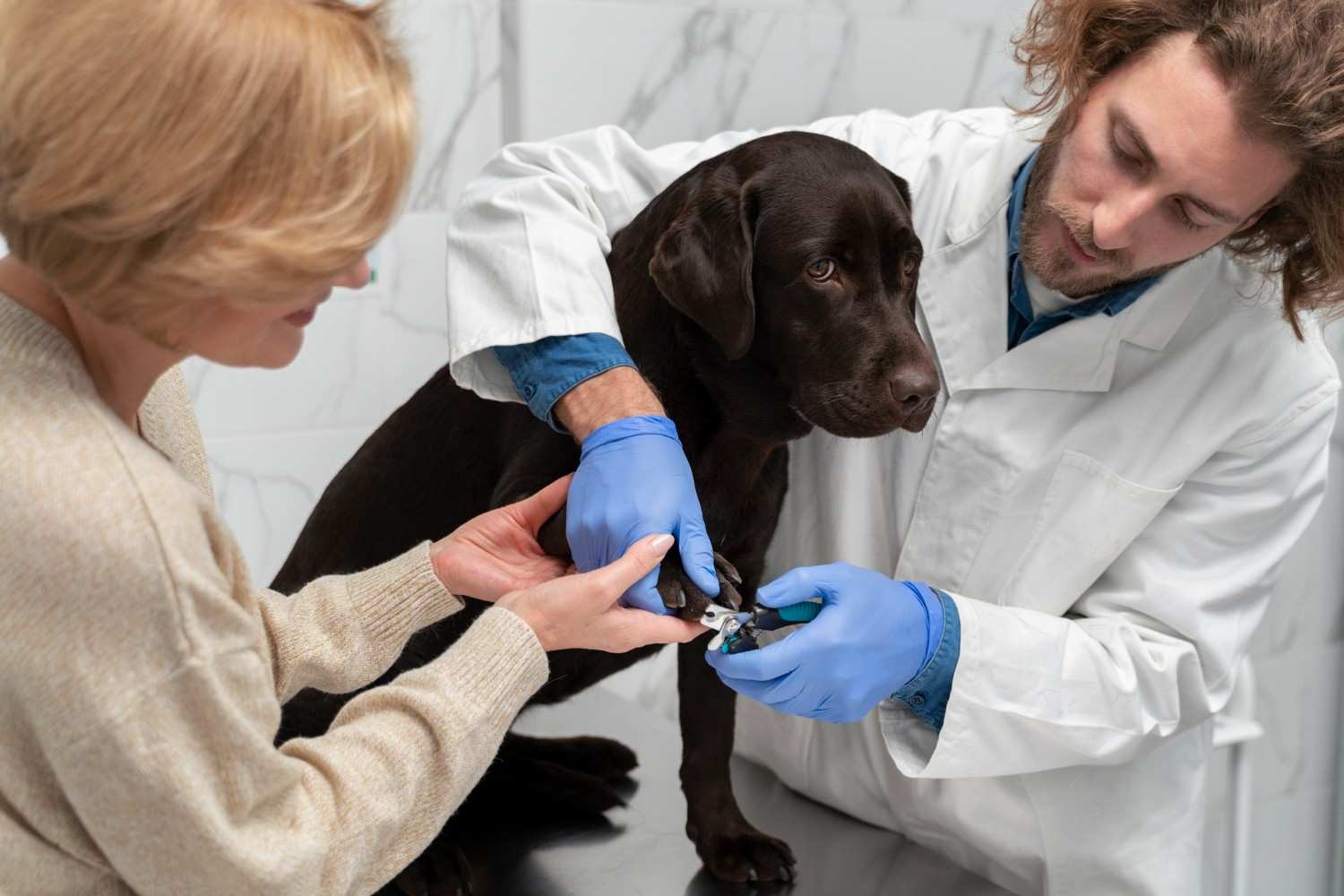
Imagine you're hiking with your dog on a warm afternoon, leash in hand, trail stretching ahead. Then a split-second rustle in the brush. A rattle. A strike. What happens next could mean the difference between a vet bill and a tragedy. And if your dog has had the rattlesnake vaccine for dogs, you may have just bought yourself the most valuable thing in the world: time.
Table of Contents
What Is the Rattlesnake Vaccine for Dogs and How Does It Work?
The rattlesnake vaccine for dogs (formally called the Crotalus atrox toxoid) was developed by Red Rock Biologics and is the only USDA-licensed canine rattlesnake vaccine available. It’s designed to stimulate your dog’s immune system to produce antibodies specifically against the venom of the Western Diamondback rattlesnake (Crotalus atrox).
Your dog’s immune system is like a security team. That team has never seen a rattlesnake venom molecule before, and they haven’t trained for it. A snakebite is like a surprise attack: fast, overwhelming, and deadly. The vaccine trains your dog’s immune system so that when the real threat comes, the antibodies are ready to fight.
After a bite, vaccinated dogs typically experience:
- Milder symptoms compared to unvaccinated dogs
- Slower progression of venom-related tissue damage
- More time to reach emergency veterinary care
This doesn’t make your dog invincible. But it can be the difference between a manageable emergency and a fatal one.
Expert Insight

The vaccine provides the best cross-protection against the Western Diamondback, but also offers partial protection against other Crotalus species including the Eastern Diamondback, Sidewinder, Timber Rattlesnake, and Massasauga. Coral snake and Mojave rattlesnake venom, however, are chemically distinct and not well-covered.
Which Dogs Actually Need the Rattlesnake Vaccine?
Not every dog in America needs canine rattlesnake vaccination. But for certain dogs, it’s a no-brainer.
Your dog is a prime candidate if:
- You live in or often go to areas where rattlesnakes are common, like the Southwest U.S., Texas, the Pacific Coast, and the Southeast.
- Your dog spends time outside, either hiking, hunting, camping, or running free in the country.
- You have a dog that is small or medium-sized (less body mass means the venom works faster).
- Your dog is naturally curious and likes to sniff around in every hole and bush.
- The closest emergency vet is more than 30 minutes away.
Working dogs like Vizslas, Labrador Retrievers, and Australian Shepherds that go into thick brush or fields a lot are some of the breeds that are at the highest risk. Always call your vet first; they know more about your dog’s health history and the snakes in your area than any general guide can.
Expert Tip

In the U.S., rattlesnake bites peak between April and October when snakes are most active. Vets typically recommend scheduling the initial vaccine series 30 days before peak season begins. Don't wait until summer is already here.
How Is the Rattlesnake Vaccine Administered?
The schedule for giving dogs the rattlesnake vaccine is easy to follow:
1. First dose: The first shot, which is usually given in the scruff of the neck or between the shoulder blades.
2. Booster dose: This is given 30 days after the first shot.
3. Yearly booster: Once a year to keep immunity up. Dogs that are at high risk and live in areas where the disease is common may need boosters every six months.
It takes approximately 30 days after the second dose for full antibody protection to develop. Most vets recommend waiting until pups are at least 4 months old before beginning the series.
How Much Does the Rattlesnake Vaccine for Dogs Cost?
| Vaccine Stage | Approximate Cost |
| Initial dose | $25 – $50 |
| Second dose (30 days later) | $25 – $50 |
| Annual booster | $25 – $50 |
| Emergency rattlesnake bite treatment (unvaccinated) | $1,500 – $8,000+ |
That last number puts everything into perspective. A full vaccine series costs roughly $50–$100, versus a rattlesnake bite treatment for dogs that can run into thousands of dollars and days in the ICU. Even if you only avoid one bite-related emergency in your dog’s lifetime, the vaccine pays for itself a hundredfold.
Expert Insight

Antivenin (the primary treatment for rattlesnake bites) can cost $600–$1,000 per vial, and severely bitten dogs may require multiple vials. The financial and emotional cost of a snakebite is enormous. Prevention is always cheaper and kinder.
Are There Side Effects of the Rattlesnake Vaccine for Dogs?
Like all vaccines, the rattlesnake vaccine carries a small risk of side effects. Most are mild and resolve on their own within 24–48 hours.
Common side effects:
- Swelling or a small lump at the injection site (normal and temporary)
- Mild lethargy for 1–2 days
- Slight soreness around the injection area
Rare but serious reactions:
- Allergic reaction (anaphylaxis) watch for facial swelling, hives, vomiting, or difficulty breathing within 30–60 minutes
- Persistent or large lumps at the injection site (report to your vet)
Serious adverse events are genuinely rare. In clinical use, the rattlesnake vaccine has a solid safety profile. Ask your vet to monitor your dog for 30 minutes post-injection on the first visit if you’re concerned.
Does the Vaccine Replace Emergency Vet Care?
Absolutely not and this is critical. The rattlesnake vaccine for dogs is designed to slow the progression of envenomation and reduce severity, not to neutralize the bite completely. Even a vaccinated dog that is bitten needs immediate veterinary attention.
Here’s what to do if your dog is bitten, vaccinated or not:
- Don’t panic; your dog can tell when you’re scared.
- Don’t let your dog move; it makes the venom spread faster.
- Do NOT cut, suck, or use tourniquets; these are dangerous myths.
- Don’t give Benadryl without talking to a vet first: it won’t stop the venom
- Call ahead so the vet can get ready and get there right away.
- If you can see it, write down the time and place of the bite on your dog’s body.
Rattlesnake Vaccine vs. Rattlesnake Aversion Training: Which Is Better?
The honest answer is: both, ideally. Rattlesnake aversion training for dogs is a behavioral conditioning program where dogs are trained to recognize and avoid rattlesnakes. The vaccine provides a biological safety net if avoidance fails.
| Factor | Rattlesnake Vaccine | Aversion Training |
| Protects if bitten | Yes | No |
| Prevents bites | Not directly | Yes (when effective) |
| Cost | $50–$100/year | $100–$300 one-time |
| Requires maintenance | Annual booster | Refresher sessions recommended |
The two approaches aren’t competitors, they’re teammates. A dog who actively avoids snakes AND has antibody protection from canine rattlesnake vaccination is far safer than a dog with only one layer of defense.
Expert Tip

Aversion training effectiveness varies widely by trainer quality and the individual dog. Seek a trainer who uses LIMA-compliant techniques (Least Intrusive, Minimally Aversive) and provides clear evidence of outcomes before you commit.
Is the Rattlesnake Vaccine for Dogs Worth It?
For most dogs, the answer is a confident yes if you live in rattlesnake country. The dog rattlesnake vaccine won’t make your dog bulletproof. But it makes the odds very much in their favor by slowing down the poisoning, lowering the damage to tissues, and giving you the most valuable thing a snakebite takes: time to get help.
Pair it with rattlesnake aversion training, keep your dog on-leash in high-risk zones, and know your nearest emergency vet’s number by heart. That combination biology, behavior, and preparation is the gold standard of dog snake bite prevention.
Talk to your vet this week. If snake season is coming, your window to complete the two-dose series is shorter than you think.
FAQs
The vaccine’s protection lasts approximately 12 months. Most vets recommend annual boosters to maintain immunity, with twice-yearly boosters for dogs living in high-snake-density areas or those who are frequently outdoors.
Serious adverse reactions are rare. Most dogs experience mild, temporary side effects like a small lump at the injection site or a day of reduced energy. Anaphylactic reactions are possible but uncommon. Always observe your dog for 30–60 minutes after any vaccination.
No. The vaccine is specifically formulated against Western Diamondback rattlesnake venom. It offers cross-protection against several related Crotalus species but does not protect against Mojave rattlesnakes, coral snakes, copperheads, or water moccasins.
Yes, always. The vaccine reduces severity and buys time, but it does not fully neutralize venom. Every snakebite is a medical emergency regardless of vaccination status. Time still matters.
Most veterinarians recommend the initial dose at 4 months of age or older. The full two-dose series should be completed at least 30 days before peak snake season for best protection.