
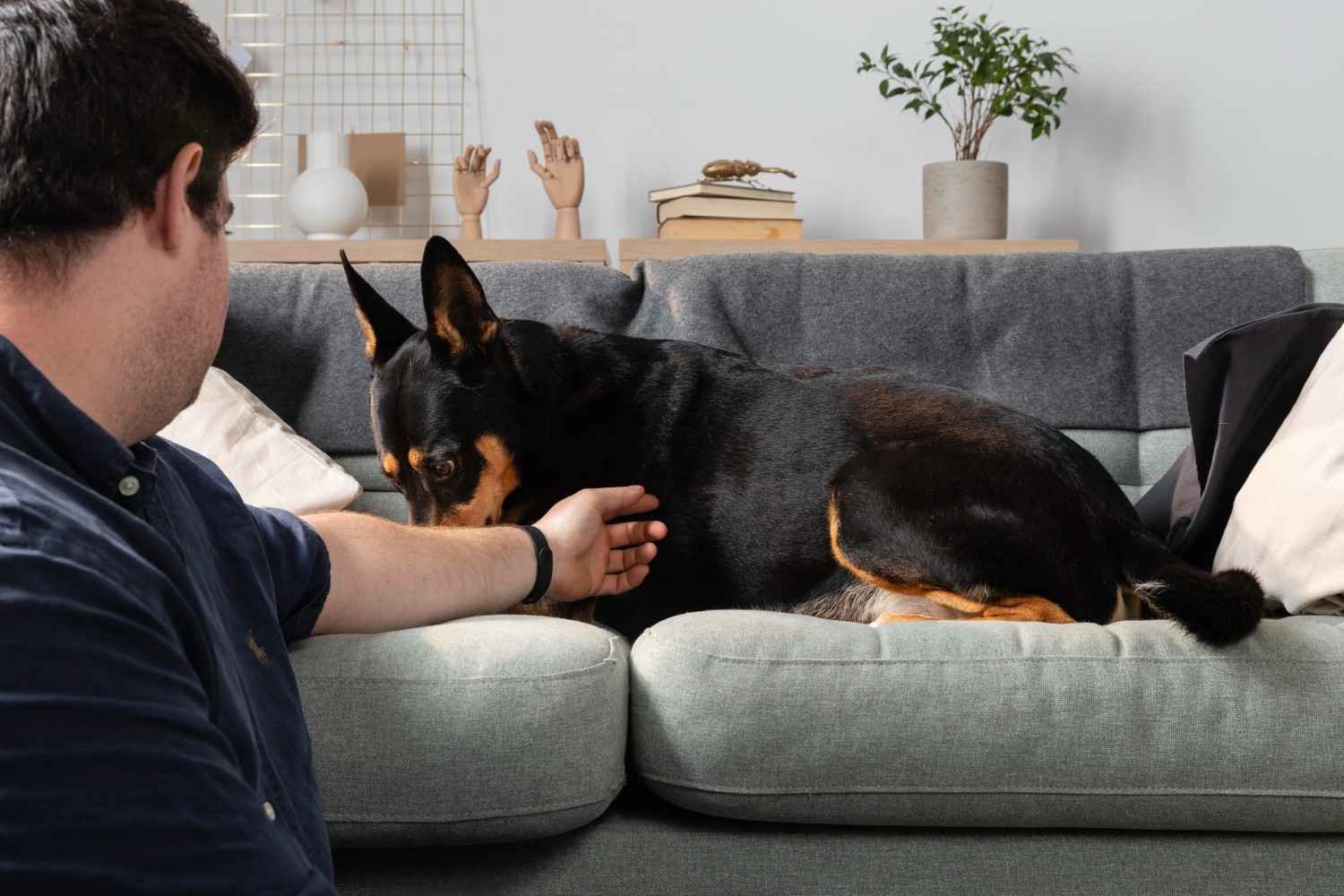
Your dog destroys the couch. Neighbors report howling. You come home to puddles and a dog that looks like it survived a hurricane. Sound familiar? You're not alone, and your dog isn't being "bad." They're terrified.
Separation anxiety in dogs is one of the most common behavioral problems that pet owners don’t understand or deal with properly. It’s not a failure of training. It’s not a question of who is in charge. An estimated 17–29% of all pet dogs have this real emotional disorder that comes from neuroscience.
This guide will teach you everything you need to know about what causes dogs to be anxious about being alone, how to tell when they are anxious beyond the obvious signs, and seven proven methods that work. This is the full picture you need, whether you’re a first-time dog owner or a veterinary student studying behavior.
- 29% of dogs show separation anxiety symptoms
- #1 reason dogs are surrendered to shelters
- 72% of cases improve with behavioral therapy
- 4 hrs average time before anxiety peaks when alone
Table of Contents
What Exactly Is Separation Anxiety in Dogs?
Separation anxiety is like a panic attack for your dog, but they have no idea why it’s happening or how to stop it. When you leave, their brain goes into full-blown stress mode: cortisol levels go up, heart rate goes up, and the prefrontal cortex (the part that helps them make rational decisions) basically shuts down.
This is why telling a dog off after the fact is completely useless. By the time you get home, they’ve moved past the event entirely. What you see as guilt is actually appeasement behavior a response to your body language, not a memory of the crime.
Separation anxiety is when a dog reacts in an exaggerated, upset way to being separated from their main attachment figure, either because it has already happened or because they expect it to happen. That’s usually you. It’s interesting that some dogs get so attached to one person that even going to the bathroom makes them go crazy. That dog? We call them “velcro dogs” because they’re so sweet but are having a hard time.
Did You Know?

For more than 15,000 years, dogs and people have lived together. Unlike wolves, domestic dogs look to people for help and safety. This is why they feel "wrong" when they are alone. It's not a bad thing to have separation anxiety. It's almost a part of being domesticated.
How Do You Know If Your Dog Has Separation Anxiety?
Here’s the tricky part: many dog anxiety symptoms look exactly like “bad behavior.” Chewing, accidents, barking, these are punished all the time when they’re actually cries for help. Let’s break down what to look for.
The Tell-Tale Signs of Canine Stress
| Destructive behavior when alone | Chewing furniture, scratching doors, digging carpets especially near exits |
| Excessive vocalization | Howling, barking, or whining that starts shortly after you leave |
| Indoor accidents | A house-trained dog urinating or defecating only when alone |
| Shadowing behavior | Following you from room to room, unable to settle independently |
| Pre-departure anxiety | Pacing, panting, or trembling when they notice your “leaving” cues |
| Refusing food | Too stressed to eat while alone, even with their favorite treats |
If these behaviors only happen when you’re gone or about to leave, separation anxiety is almost certainly the cause. Put a camera on your phone. Everything you need to know is in the first 30 minutes.
Important Note

Not all anxious behavior is because of separation anxiety. Some dogs act destructively when they're alone because they're bored or not getting enough stimulation. Real separation anxiety means more than just chewing on things when you have the chance. If you're not sure, talk to a certified veterinary behaviorist before you start any treatment plan.
What Causes Separation Anxiety in Dogs?
There’s rarely one single cause. Think of it like a pressure cooker, multiple factors build up until the lid blows. Common contributors include:
- Change in routine: A sudden shift in schedule, going back to the office after remote work, for instance, is one of the most common modern triggers.
- Loss or change of a family member: Death, divorce, or a child leaving for college can destabilize a dog’s world completely.
- Rehoming or shelter history: Dogs with abandonment in their past are statistically far more prone to separation anxiety.
- Genetics and breed predisposition: Herding breeds, hunting breeds, and working dogs were bred for constant human collaboration; solitude can feel deeply unnatural to them.
- Insufficient early socialization: Puppies not exposed to alone time between 3–14 weeks often struggle with independence as adults.
- Over-attachment reinforcement: Unknowingly rewarding clingy behavior by always responding to whining teaches dogs that proximity is their emotional anchor.
Expert Tip

The post-pandemic "re-entry" crisis in dogs is real. Many dogs adopted between 2020 and 2022 literally never experienced being alone. If your dog was a pandemic pup, be especially patient. Their threshold for solitude may be near zero, but with the right dog behavioral training, it's absolutely buildable.
7 Proven Strategies for Separation Anxiety in Dogs
Here’s where we get practical. These methods are grounded in behavioral science, endorsed by veterinary professionals, and crucially kind. No punishment. No alpha rolls. Just evidence-based techniques that actually help you calm an anxious dog.
1. Begin with Micro-Absences
Go away for 30 seconds. Come back. Go away for two minutes. Come back. This sounds really slow, but it’s the best way to change how your dog reacts to stress. You’re getting used to things one small brick at a time. Don’t come back when they’re barking. Always come back when they’re calm.
2. Make Your Departure Cues Less Sensitive
Get your keys. Please sit back down. Wear your coat. Brew a cup of tea. Your dog learns that “leaving signals” don’t always mean bad things are going to happen. Do this a lot of times without ever really leaving. You’re breaking the chain of anxiety before it starts.
3. Don’t make a “punishment zone,” make a “safe zone.”
If you use crates in a good way, they work great. Put meals in there. Put away treats. Put a worn t-shirt inside so your smell stays. A crate should feel like a home, not a prison. Don’t ever use it as a punishment.
4. Before you go, give them a job.
A dog that is tired is calmer. A 20-minute sniff walk, where they lead the nose, is harder on the brain than a 45-minute run. Give your dog a frozen Kong or a snuffle mat to play with while you leave. These things will keep them busy for 15 to 20 minutes. You want them to think of solutions, not panic.
5. Learn to be independent at home
Give a strong “place” command. Give your dog a treat when they lie down on their mat while you move around the house without them. This shows them that being close by isn’t always safe. Even when you’re not right next to them, they can always feel you there.
6. Think about using Adaptil or calming aids
Adaptil is a man-made version of the pheromone that mother dogs give off when they are nursing. Plug-in diffusers or collars can help dogs feel less stressed. Never use it instead of behavioral work; always combine the two. There is also some safe, mild evidence that supplements like L-theanine and melatonin can help with mild anxiety.
7. For serious cases, talk to a veterinary behaviorist
Dogs with severe separation anxiety often need both medication and behavioral therapy. The FDA has approved fluoxetine and clomipramine for treating anxiety in dogs. There is no shame in this. You wouldn’t turn down antidepressants for someone in trouble. The same kindness applies here.
Expert Tip

Progress doesn't always go in a straight line. On some days, your dog will seem better, but then a thunderstorm or a change in plans will make things worse again. That's perfectly normal. Write down the dates, times, and reasons for each absence. Patterns in data show what daily observations that are subjective miss.
The Bottom Line
It’s real, painful for your dog, and treatable. The key word there is “treatable.” It won’t be fixed overnight or by ignoring the problem or scolding it. It will get better with time and the right approach.
Start small. Celebrate micro-wins. Understand that your dog isn’t trying to punish you for leaving, they’re terrified of losing you. That distinction changes everything about how you respond.
If this guide helped you understand your dog a little better, share it with another pet owner who might be silently struggling, or bookmark it for the next time your velcro pup won’t let you pee alone.
FAQs
Yes, for a lot of dogs, especially if they get treated early for mild to moderate cases. Most dogs get a lot better in 4 to 12 weeks with regular desensitization training. Some dogs may need ongoing care, but “cured” is a realistic goal for a lot of them, especially when behavioral therapy is used with veterinary care.
Keep your goodbye calm and low-key; big emotional goodbyes make people more anxious. Give your dog some exercise for 30 to 60 minutes before you leave. As you leave, give your dog a long-lasting chew or frozen Kong that is worth a lot. Don’t look each other in the eye during the last few minutes. A dog that is bored is calmer than one that is upset.
When your dog is bored, he or she will chew on whatever is easiest or most interesting to them. Destruction from separation anxiety happens quickly after you leave and is most common near exit points like doors and windows. If a dog is bored, it might calm down after a few minutes. But if it is anxious, it will get worse. The quickest way to tell the difference is to set up a camera.
Not as often as people hope, though. A second dog won’t help if your dog is anxious about being away from people. Some dogs feel better when they are with other dogs, but many anxious dogs stay upset even when they are with a friend. Don’t use a second dog as the main treatment plan; instead, deal with the anxiety that is causing it.
Separation anxiety can happen at any age, but it usually happens in two stages: in teens (6 to 18 months) when social bonds get stronger, and in senior dogs (8 years or older) when cognitive changes and sensory abilities get worse, making them more dependent. Rescue dogs can show signs right after being adopted, no matter how old they are.