
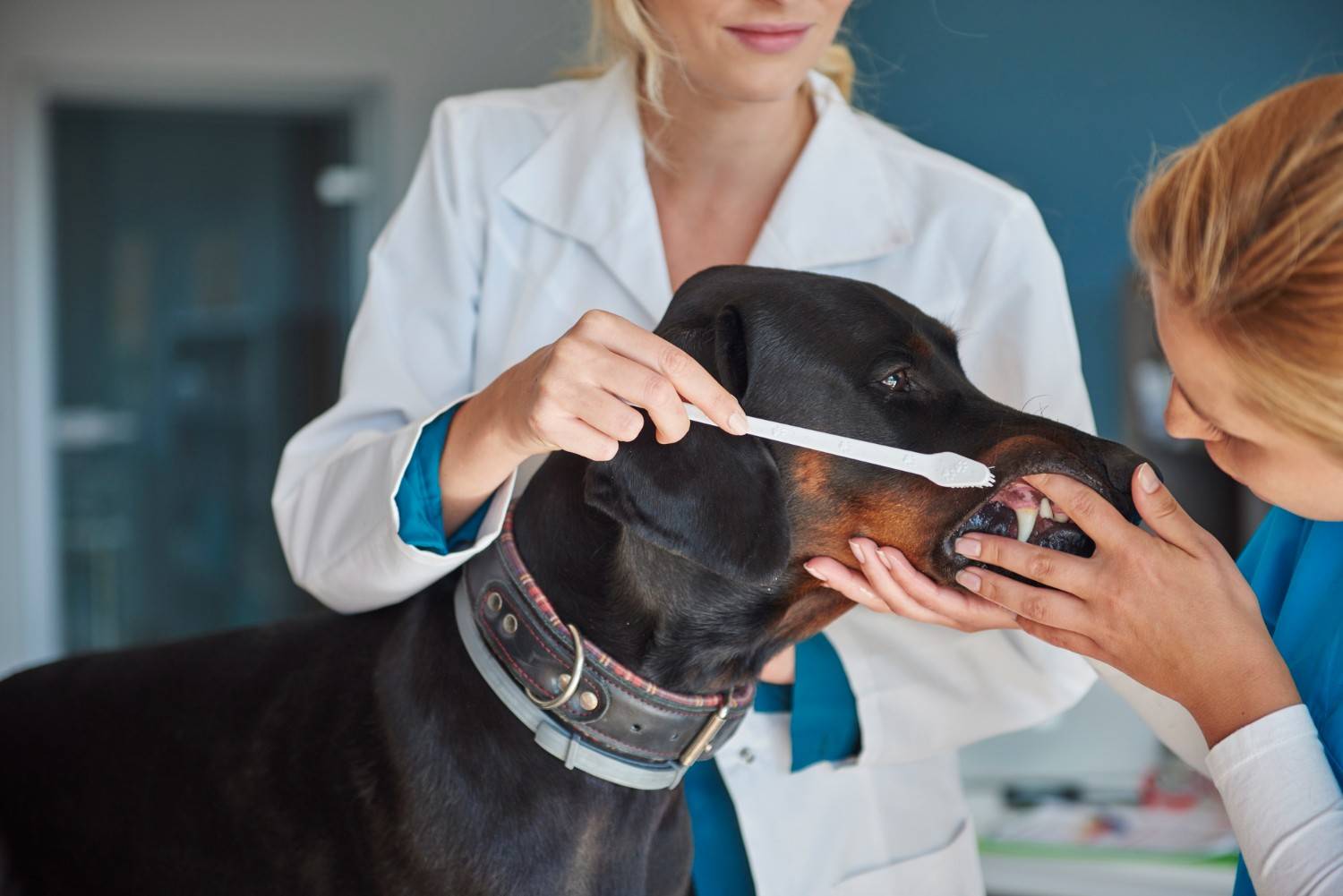
A single dental procedure for your dog can cost $800–$3,000. And most pet owners discover too late that their insurance won't cover a cent of it.
Dental disease is the most common health problem in cats and dogs. By age three, over 80% of dogs and 70% of cats already show signs of periodontal disease. Yet when it comes to pet insurance, dental coverage is one of the most confusing, most misunderstood parts of any policy.
So does pet insurance cover dental care? The honest answer is: sometimes, and it depends entirely on the type of plan you have and why your pet needs treatment. This guide breaks it all down so you never get hit with a surprise vet bill again.
Many pet owners search “does pet insurance cover dental” right after receiving a shocking estimate from their vet, and the answer they find is rarely straightforward. Coverage rules differ dramatically between insurers, plan tiers, and even the specific tooth being treated.
By the end, you’ll know exactly what dental coverage to look for, which treatments are typically excluded, and how to pick a plan that actually protects your pet’s smile.
Table of Contents
Does Pet Insurance Cover Dental? Here’s the Honest Answer
Most standard pet insurance plans do cover some dental care, but there’s a big catch. Coverage almost always depends on why your pet needs dental treatment, not just what the treatment is.
Pet insurers generally split dental care into two buckets:
- Dental illness and disease – conditions like periodontal disease, tooth resorption, or dental abscesses.
- Dental accidents – things like a broken or fractured tooth from chewing on something hard.
Accident-only plans typically cover the second category. Comprehensive accident-and-illness plans may cover both. But routine dental cleanings and preventive care? That’s almost always excluded from standard plans and requires a separate wellness add-on.
Did you know

Periodontal disease in pets has been linked to kidney, liver, and heart conditions. Treating your pet's teeth isn't just cosmetic; it's a core part of their overall health management.
What Does Pet Insurance Actually Cover for Dental Care?
Coverage varies by provider and plan tier, but here’s a general breakdown of what you can typically expect:
| Broken/fractured teeth | Usually Covered | Caused by an accident covered under most accident plans. |
| Dental abscesses | Usually Covered | Infections treated as illness covered by accident & illness plans. |
| Periodontal disease | Sometimes Covered | Depends on the plan and whether it was pre-existing. |
| Routine cleanings | Add-On Needed | Usually only covered under a wellness or preventive care add-on. |
| Orthodontics / cosmetic | Rarely Covered | Braces or cosmetic procedures are virtually never covered. |
| Pre-existing dental disease | Excluded | Any condition present before your policy start date is excluded. |
Expert tip

Always enroll your pet in insurance while they're young and healthy. The older your pet, the more likely a dental issue is flagged as "pre-existing" and excluded from coverage entirely.
Does Pet Insurance Cover Dental Cleanings and Preventive Care?
This is the question I get most often from pet owners, and the answer is almost always no unless you’ve added a wellness plan.
Standard pet insurance works like most human health insurance: it’s designed to handle unexpected illnesses and accidents, not routine maintenance. A professional dental cleaning under anesthesia (which is the only safe and thorough way to clean a pet’s teeth) typically costs $300–$700 for dogs and $200–$500 for cats.
Here’s the good news: many top insurers offer optional wellness riders or preventive care add-ons that specifically include annual dental cleanings. Companies like Spot, Embrace, and ASPCA Pet Insurance offer these as upgrades to their base plans.
If your vet recommends annual dental cleanings (and trust me, they almost certainly will), a wellness add-on can easily pay for itself within the first year.
What Is a Pet Dental Wellness Plan?
A dental wellness plan is a set of benefits that you get every year from a vet’s office or as an add-on to your insurance. It covers a set list of preventive services. It’s like a dental club membership for your pet. You pay a set amount each month, and in return, you get:
- Yearly professional cleaning of teeth
- X-rays of the teeth
- Regular checkups and shots
- Sometimes: cutting nails, testing for heartworms, and keeping fleas away
Watch out for this

Wellness plans offered directly by vet clinics are NOT the same as pet insurance. They don't protect you from high, unexpected costs. Use them alongside a comprehensive insurance policy, not instead of one.
How Much Does Pet Dental Care Cost Without Insurance?
This is exactly why so many pet owners Google “does pet insurance cover dental” in a panic; they’re sitting in a vet’s office staring at a four-figure estimate with no idea whether their policy will help.
Let’s talk about numbers, because this is where pet owners are most surprised.
- Routine cleaning of the teeth (anesthesia and scaling) costs between $300 and $700.
- $75 to $200 for dental X-rays
- Simple tooth extraction costs between $100 and $300 per tooth.
- Tooth extraction (surgical/impacted): $500–$1,000 or more
- The cost of treating periodontal disease is between $500 and $3,000.
- For a dog, a root canal costs between $1,500 and $3,000.
When you add in the cost of blood tests before anesthesia, monitoring during anesthesia, and medications after the procedure, the cost of a single dental procedure can easily reach $1,500 to $2,500. Most pet owners aren’t ready for that bill.
Expert Insight

Small breed dogs think Chihuahuas, Shih Tzus, and Dachshunds, are especially prone to severe dental disease because their teeth are crowded into a smaller jaw. If you own a small dog, dental care should be near the top of your financial planning checklist.
What to Look for in a Pet Insurance Plan for Dental Coverage
Not all policies are built the same. When you’re comparing pet insurance plans specifically for dental benefits, here’s your checklist:
- Look for “dental illness” coverage – not just “dental accidents.” This distinction determines whether periodontal disease and infections are covered.
- Check the annual limit – some plans cap dental coverage at a separate, lower limit (e.g., $1,000/year for dental, even if your overall annual limit is $10,000).
- Ask about waiting periods – many plans have a 6-month waiting period specifically for dental conditions.
- Carefully read the pre-existing condition clause – Any dental problems that were recorded before you signed up will probably not be covered.
- Consider a wellness add-on – if routine cleanings matter to you, this is non-negotiable.
- Compare reimbursement rates – 70%, 80%, or 90% reimbursement changes your out-of-pocket cost significantly on a $2,000 dental bill.
Expert tip

Ask your vet for a written record of your pet's dental health at every visit. If a condition is ever disputed as "pre-existing," a clean prior health record is your best defense.
Does Pet Insurance Cover Dental for Cats vs. Dogs?
The short answer: the rules are the same, but the risks are different.
Dogs tend to suffer from periodontal disease at higher rates, especially small breeds. Cats, on the other hand, are particularly prone to a painful condition called tooth resorption (formerly known as FORLs), where the tooth structure literally dissolves from the inside. Treatment often requires full-mouth extraction in severe cases, which can cost $1,500–$3,000.
Both conditions, when caused by illness rather than accident, are covered under most comprehensive accident-and-illness pet insurance policies. But again, the timing of your enrollment matters enormously. Insure your cat or dog early, and you protect yourself against these costly conditions being flagged as pre-existing.
Does Pet Insurance Cover Dental? Final Takeaways
The bottom line is that pet insurance can cover dental care, but only if you pick the right plan, sign up at the right time, and know exactly what it covers.
Things you should always keep in mind:
- Accident-and-illness plans offer the broadest dental protection.
- Routine cleanings almost always require a wellness add-on.
- Pre-existing dental conditions are nearly always excluded, so ensure early.
- Small breed dogs and cats are at elevated dental health risk; factor this into your plan choice.
- Always read your policy’s dental-specific fine print before you need it.
FAQs
Most standard pet insurance policies don’t cover regular dental cleanings because they are considered preventive care. But a lot of insurance companies offer wellness or preventive care add-ons that include professional cleanings once a year. If you care about getting your teeth cleaned regularly, look for plans that come with a wellness rider.
Yes, tooth extractions are often covered, but the reason for the extraction is important. Accident-only and accident-and-illness plans usually cover the cost of pulling a tooth if it was broken in an accident. You will need an accident-and-illness policy that covers dental illness if the extraction is because of a dental disease like periodontal infection.
Some accident-and-illness pet insurance plans cover periodontal disease treatment, but coverage varies widely. The key factors are: whether the policy includes dental illness (not just dental accidents), whether it was a pre-existing condition, and whether your pet was enrolled in the policy before the condition developed.
Healthy Paws, Embrace, Spot, and ASPCA Pet Insurance are some of the companies that are often mentioned as having good dental coverage. For example, Embrace covers dental illness up to the plan’s annual limit and has a wellness rewards program that pays for regular cleaning. Before making a choice, always read the fine print and compare dental-specific terms.
Dental X-rays taken as part of treating a covered illness or accident are generally reimbursed as part of that claim. Routine diagnostic X-rays taken during a preventive cleaning may be covered if you have a wellness add-on. Standalone X-rays without a covered condition are usually not reimbursed under a standard policy.