
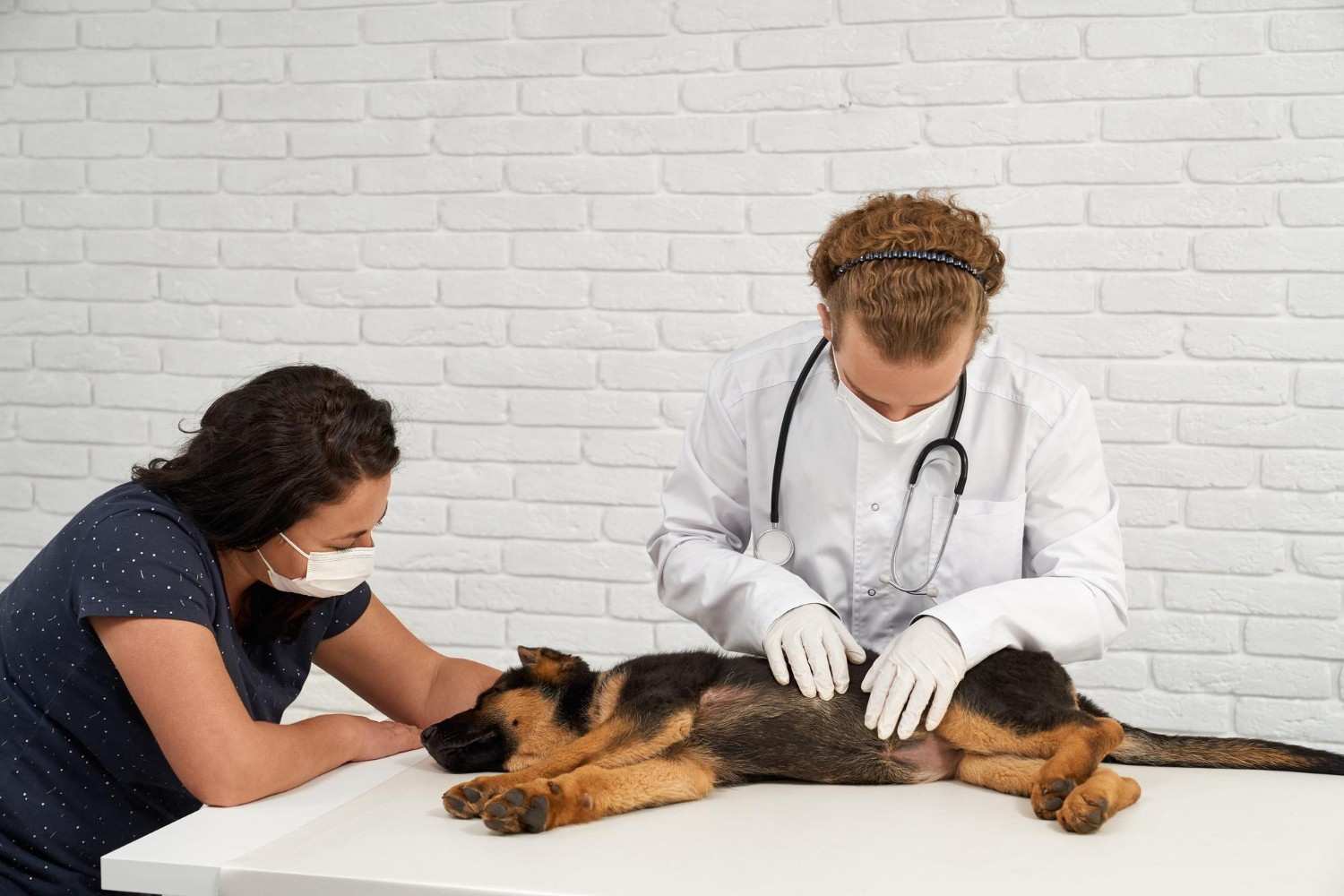
Most pet owners assume their insurance will swoop in and save the day at the vet. Then the bill arrives, and reality hits hard.
If you’ve typed “does pet insurance cover neutering” into Google at midnight before your puppy’s first vet appointment, you’re not alone. It’s one of the most searched pet insurance questions and one of the most misunderstood.
If you’ve been wondering, does pet insurance cover neutering? You’re about to get the honest, unfiltered answer. No fluff. No runaround. Just the facts you need before you sign up for any policy or before you book that appointment.
Let’s break it down.
Table of Contents
What Is Neutering And Why Does It Even Matter for Insurance?
Neutering (for males) and spaying (for females) are surgical procedures that remove a pet’s reproductive organs. They’re among the most commonly performed veterinary procedures worldwide and for good reason.
Neutering not only stops unwanted litters, but it also lowers the risk of some cancers, stops behavioral problems like aggression and roaming, and can add years to your pet’s life. It is often suggested for both cats and dogs between the ages of 6 months and 2 years, depending on their size and breed.
So it makes sense that you’d want your pet insurance to chip in. Here’s the problem: most standard pet insurance policies are designed for unexpected events, accidents, sudden illnesses, and emergency surgeries. Neutering, in the eyes of most insurers, is a planned procedure. And that distinction changes everything.
Does Pet Insurance Cover Neutering? The Straightforward Answer
No, standard pet insurance policies do not cover neutering.
That’s the short answer, and it catches a lot of new pet owners completely off guard.
Many first-time pet owners ask does pet insurance cover neutering when they’re already at the clinic, which is too late. The time to ask is before you buy a policy, not after.
Major insurers like Healthy Paws, Trupanion, and Embrace all classify spaying and neutering as elective or routine procedures. Their base accident-and-illness plans explicitly exclude them. You’ll find this buried in the fine print of nearly every standard policy.
But here’s where it gets interesting: some plans do cover it, just not the ones most people buy first.
Expert Tip

Always read the "exclusions" section of any pet insurance policy before purchasing. Routine and preventive care exclusions are the #1 source of surprise vet bills for new pet owners.
Which Pet Insurance Plans Actually Cover Neutering?
There’s one magic phrase you need to look for: wellness coverage or a preventive care add-on.
These are supplemental riders, optional upgrades you attach to your base policy for an additional monthly fee. Unlike standard accident-and-illness plans, wellness add-ons are specifically designed to cover routine veterinary care, including:
- Spaying and neutering
- Annual vaccinations
- Flea and tick prevention
- Dental cleanings
- Routine bloodwork and checkups
- Heartworm testing
The honest answer to “does pet insurance cover neutering” depends entirely on the type of plan you choose, base-only, or base plus a wellness rider. Without that add-on, the answer is almost always no.
Here are some insurers that offer wellness add-ons worth looking at:
1. Spot Pet Insurance
Spot offers two wellness plan tiers, Platinum and Gold, that include reimbursement for spay/neuter procedures. Their Gold plan reimburses up to $150 toward the surgery, while Platinum goes higher.
2. ASPCA Pet Health Insurance
ASPCA’s preventive care add-on covers neutering costs up to a set annual limit. It’s one of the more affordable add-ons on the market and works with their base accident-and-illness plans.
3. Get Pet Insurance
Embrace has a “Wellness Rewards” program. It’s not really insurance, but it gives you a yearly allowance to spend on routine care, like spaying or neutering your pet. It’s like a wellness account that has already been paid for.
4. Pet Insurance for Pumpkins Pumpkin has a preventive care package called “Preventive Essentials” that covers neutering. Their plans are newer, but they are becoming more popular because they are clear and easy to use.
Did you know

Depending on the breed, size, and location, the average cost of neutering a dog is between $200 and $500. The average cost of spaying a female dog is between $300 and $800. Cats are a lot cheaper, usually between $100 and $300 for either procedure. Wellness add-ons usually pay for themselves in the first year.
Why Do Standard Plans Exclude Neutering? The Logic Behind It
At its most basic level, insurance is about pooling risks. Companies charge a lot of money to a lot of customers to cover the costs of the few who have bad luck.
Neutering doesn’t fit that model because it’s not random. Most responsible pet owners get their pets spayed or neutered at some point. If insurers covered it under standard plans, they would have to raise premiums for everyone by a lot just to stay even.
Think of it like car insurance. Your policy covers a sudden collision it doesn’t cover your scheduled oil change: same principle, different species.
This is why the wellness add-on model exists. You pay a modest extra premium, and in exchange, the insurer reimburses you for predictable, routine costs at a flat rate. It’s less like traditional insurance and more like a discount club for preventive care.
How Much Can a Wellness Add-On Actually Save You?
Let’s run the numbers with a realistic example.
Say you adopt a medium-sized male dog. You add a wellness rider to your base policy for an extra $20/month, that’s $240/year.
Here’s what that add-on might reimburse in your first 12 months:
| Procedure | Average Cost | Reimbursement (Est.) |
| Neutering | $350 | $150–$250 |
| Core vaccinations | $120 | $75–$100 |
| Annual wellness exam | $65 | $50 |
| Flea/tick prevention (year) | $150 | $50–$80 |
| Heartworm test | $45 | $25–$35 |
| Total | $730 | $350–$465 |
You spent $240 on the add-on. You got back up to $465. That’s a net saving of over $200 in year one before your pet even has an accident or illness.
Not bad for a little extra on your monthly bill.
Does Pet Insurance Cover Neutering If It’s Medically Necessary?
So does pet insurance cover neutering when it’s medically urgent? In documented cases, yes. But without a clear diagnosis in your vet’s notes, the claim will almost certainly be denied as routine.
This is where things get genuinely interesting and where a standard policy might actually help.
In most cases, neutering is elective. But there are situations where a vet recommends neutering or spaying as a medical necessity:
- Pyometra – Is a serious infection of the uterus in female dogs and cats that needs to be spayed right away.
- Testicular tumors – When cancer is found, the main treatment is neutering.
- Cryptorchidism – Is a condition in which one or both testicles do not descend, which raises the risk of cancer and often necessitates surgical removal.
- Uterine or ovarian cancer – Spaying is no longer an option; it becomes necessary surgery.
In these cases, your standard accident-and-illness plan may cover the procedure because it’s no longer routine. It’s treatment.
The key is documentation. Your vet must clearly note the medical necessity in their records. The insurer will review the claim differently when a diagnosed condition is involved.
Expert Tip

If your vet suspects a medical reason behind recommending spay/neuter, ask them to document it explicitly before the surgery. A written diagnosis versus an "elective recommendation" can be the difference between a covered and a denied claim.
What to Look for When Choosing a Plan That Covers Neutering
Shopping for pet insurance with neutering coverage in mind? Here’s your checklist:
1. Look for words like “wellness” or “preventive care.”
If these words aren’t on the plan page, it probably won’t cover neutering.
2. Look at the yearly limit on reimbursements
Some add-ons limit the amount of money you can get back for neutering to $75. Some go as high as $300. Before you agree, make sure you know your number.
3. Know how long you have to wait
Most wellness plans don’t make you wait for routine care, but you should check this. You don’t want to have to pay two months of premiums before you can get coverage.
4. Compare the cost of the add-on to the cost of the procedure in your area.
The cost of a vet varies a lot from state to state and city to city. In San Francisco, a $15/month add-on makes more sense than in a rural area where neutering might cost $100 total.
5. Read the reimbursement model
Some plans reimburse a flat dollar amount. Others cover a percentage. Know which model you’re signing up for.
Alternatives If Your Policy Doesn’t Cover Neutering
No wellness add-on? Already have a policy you can’t change? You still have options.
Low-cost spay/neuter clinics – The ASPCA, Humane Society, and many local shelters operate subsidized clinics where procedures can cost as little as $25–$75.
CareCredit – A healthcare financing card accepted at many vets that lets you pay off the procedure over time with 0% interest for qualifying plans.
Vet payment plans – Many private practices will work out a payment schedule if you ask. It never hurts to have the conversation.
Breed-specific rescues and organizations – Some breed clubs offer financial assistance for responsible pet ownership costs, including spay/neuter.
Conclusion: Does Pet Insurance Cover Neutering? Here’s What You Should Do Next
So, does pet insurance pay for neutering? No, standard plans. Yes, wellness add-ons are great, but you have to pick the right one.
The next time someone asks you, “Does pet insurance cover neutering?” you’ll know the full picture: standard plans don’t, wellness add-ons do, and medical necessity is the one exception that can flip the answer entirely.
If you want your insurance to help with the cost of neutering, you need to take action. Before you need the procedure, look for a plan that includes preventive care. Look at the limits on how much you can get back. If you already have a base policy, look into low-cost clinics and financing options as a backup.
Taking care of your pet’s health doesn’t have to cost a lot of money. You can take care of your furry family member without worrying about money if you have the right plan and the right information.
FAQs
No. Standard accident-and-illness pet insurance policies do not cover spaying or neutering because they are classified as elective, routine procedures. You need a wellness add-on or preventive care rider for this coverage.
Insurers like Spot, ASPCA Pet Health Insurance, Embrace (via Wellness Rewards), and Pumpkin offer preventive care add-ons that reimburse neutering costs. Reimbursement amounts vary by plan tier.
Yes, if neutering is deemed medically necessary due to a diagnosed condition like cryptorchidism, testicular tumors, or pyometra, your standard illness plan may cover it. Proper vet documentation of the medical reason is essential.
Wellness add-ons typically range from $10 to $30 per month, depending on the insurer and tier. Many pet owners find they save money in the first year when factoring in neutering, vaccinations, and routine checkups.
In most cases, yes, many insurers allow you to add a wellness rider at renewal or even mid-policy. Contact your provider directly to confirm your options and any waiting period rules.