
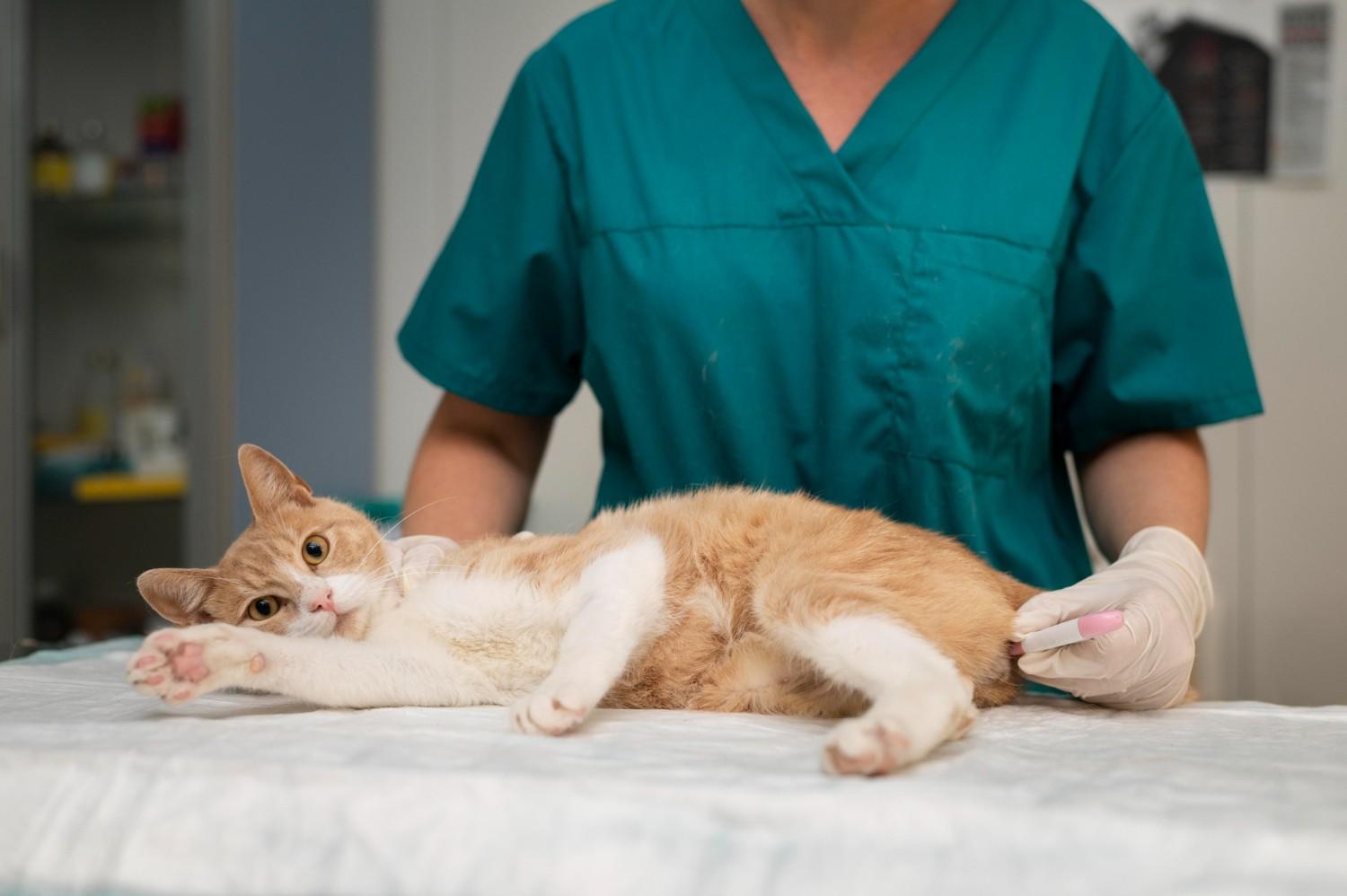
Your cat used to treat feeding as if it were a competitive event. Now the bowl is empty and her ribs can be felt a little too easily when you stroke her. Your gut knows before your brain that something is wrong.
A cat losing weight isn’t something to shrug off as “just getting older.” In many cases, it’s your cat’s body waving a red flag. Cats are experts at hiding pain and illness, a survival instinct left over from their wild ancestors, who couldn’t afford to look weak in front of predators.
In this guide, you’ll learn exactly why your cat might be shedding pounds, which signs mean “call the vet today,” and how to help her get back to her healthy, food-obsessed self.
Table of Contents
Why Is My Cat Losing Weight? The Most Common Causes
Unexplained weight loss in cats almost always points to an underlying issue. Here are the biggest culprits vets see every day.
1. Hyperthyroidism
This is one of the top reasons for feline weight loss in cats over 10 years old. An overactive thyroid gland cranks up your cat’s metabolism, so she burns calories faster than she can eat them, even with a ravenous appetite.
2. Diabetes Mellitus
Diabetic cats are often very hungry but lose weight because their bodies cannot use glucose for energy. It’s like a car with a full tank of gas but a clogged fuel line; the energy just can’t go where it needs to go.
3. Kidney Disease
Chronic kidney disease is common in senior cats and often causes gradual, easy-to-miss weight loss along with increased thirst and urination.
4. Intestinal Parasites
Worms and other parasites steal nutrients before your cat’s body can absorb them. This is especially common in kittens, outdoor cats, and cats who hunt.
5. Dental Disease
Painful teeth or gums can make eating feel like chewing glass. Many cats will simply stop eating enough rather than deal with the pain.
6. Inflammatory Bowel Disease (IBD)
Nutrients are poorly absorbed, often with vomiting, diarrhea or a dull, patchy coat.
7. Stress/Environmental Changes
Cats are habitual creatures. Sensitive or anxious cats may lose their appetite and suddenly lose weight due to a new pet, a change in location or even rearranged furniture.
Expert Tip

Weigh your cat monthly using a simple kitchen scale (weigh yourself holding the cat, then subtract your own weight). Catching small changes early can mean the difference between a simple fix and a medical emergency.
What Are the Warning Signs of Cat Weight Loss?
Weight loss rarely shows up alone. Watch for these accompanying cat health symptoms:
- Visible ribs, spine, or hip bones
- A “tucked-in” belly or bony tail base
- Reduced energy or excessive sleeping
- Increased or decreased appetite
- Excessive thirst or urination
- Vomiting or diarrhea
- Dull, greasy, or matted fur
- Hiding more than usual
If you notice two or more of these alongside weight loss, it’s time to book a vet visit, not wait it out.
How Do Vets Diagnose the Cause of Weight Loss?
Your veterinarian will likely run a combination of tests to pinpoint what’s happening internally, since many causes share overlapping symptoms.
Common Diagnostic Steps
- Physical exam – checking body condition, muscle mass, and teeth
- Blood work to screen for thyroid problems, diabetes and organ function
- Urinalysis: A peek at your kidney health and hydration
- Stool Test for Intestinal Parasites
- Imaging (X-ray/ultrasound) – to exclude tumors or blockages
Did you know?

A cat can lose up to 10% of her body weight before you visually notice it, especially under a thick winter coat. That's like a 150-lb person losing 15 pounds without anyone commenting on it.
Can Weight Loss in Cats Be a Sign of Cancer?
Yes, unexplained weight loss is one of the most common early signs of feline cancer, especially intestinal lymphoma. It’s not the only reason and it’s not the most likely reason, but it’s precisely why ongoing weight loss is a definite reason to visit the veterinary office rather than a “wait and see” approach.
How Can You Help a Cat That’s Losing Weight?
Once your vet identifies the cause, treatment usually falls into a few categories:
For Medical Conditions
- Medication (insulin therapy, dewormers, thyroid regulation)
- Prescription diets formulated for kidney or digestive health
- Dental treatment or extractions as necessary
For appetite and nutritional support
- Heating food slightly to improve its smell and taste
- Providing smaller, more regular meals
- Trying high-calorie nutritional gels that are vet-approved
- Regular routines and secure hiding spots to reduce stress
Expert Tip

Never put an overweight cat on a sudden diet or a sick cat on forced fasting. Rapid weight loss in cats can trigger a dangerous liver condition called hepatic lipidosis, sometimes within just 48 hours of not eating.
When Should You See a Vet for Cat Weight Loss?
Book an appointment immediately if your cat:
- Has lost more than 10% of body weight
- Hasn’t eaten in over 24 hours
- Shows lethargy, vomiting, or diarrhea alongside weight loss
- Has noticeably worse breath or drooling
- Seems to be in pain when eating or moving
When in doubt, don’t wait. Cats hide illness so well that by the time symptoms are obvious, the underlying issue may already be advanced.
Final Thoughts
A cat losing weight is never something to ignore, even if she seems otherwise fine. From hyperthyroidism and diabetes to dental pain and stress, the causes vary, but early detection always leads to better outcomes.
Monitor your cat’s body condition closely, weigh her monthly, and don’t hesitate to call your vet right away if something doesn’t seem right. Your instincts as a pet parent are often your first line of defense.
FAQs
This is a classic sign of hyperthyroidism or diabetes, both of which cause increased appetite alongside weight loss because the body isn’t using calories efficiently.
Some muscle loss is normal with aging, but noticeable weight loss is not; it usually signals an underlying condition worth investigating.
Losing more than 5–10% of body weight, or any sudden drop, warrants a vet visit.
Yes. Stress can suppress appetite and disrupt digestion, leading to gradual weight loss, especially in anxious or highly routine-dependent cats.
There’s no safe substitute for a vet diagnosis first, but once cleared, warming food, smaller frequent meals, and high-calorie supplements can help support healthy weight gain.