
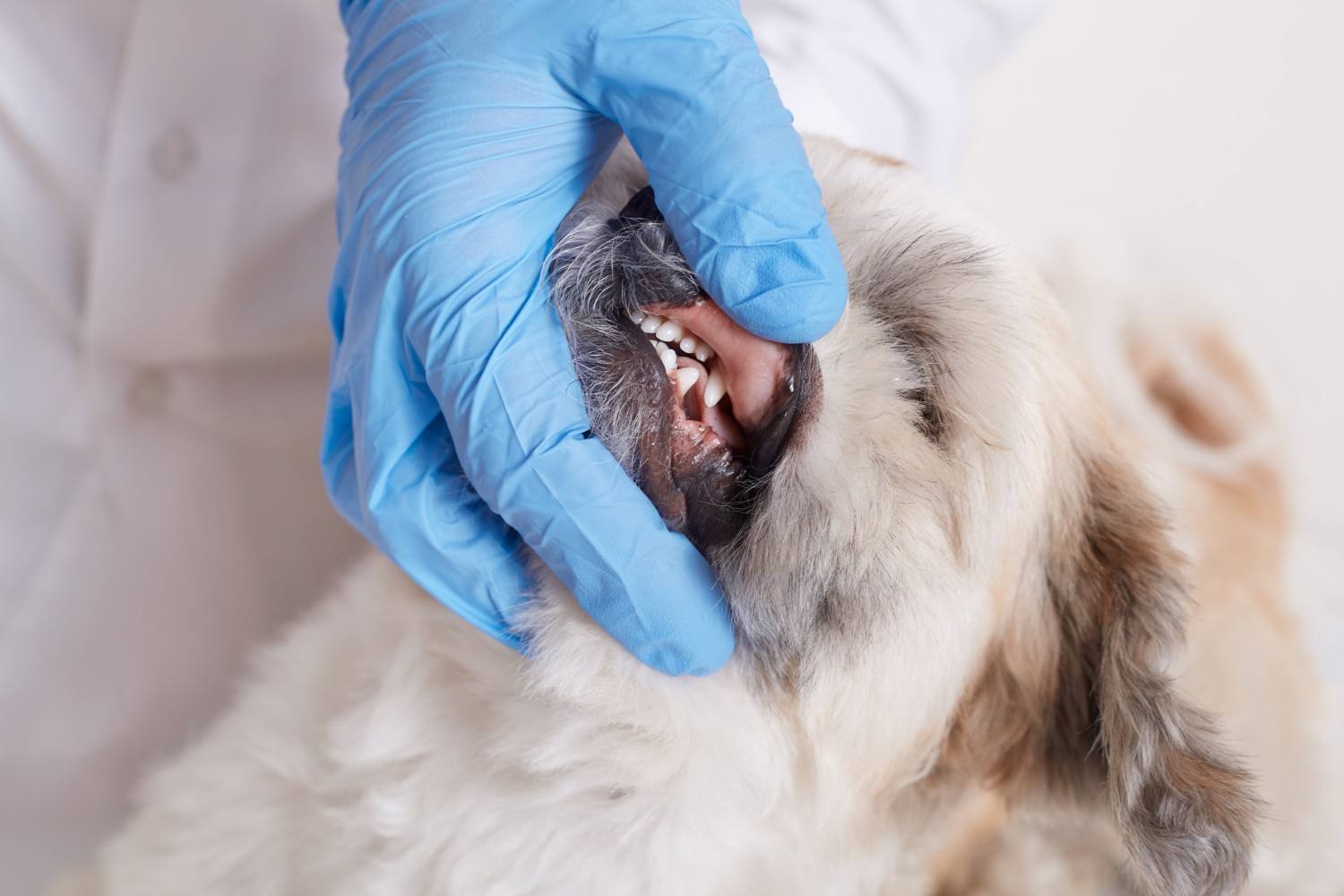
80% of dogs have some form of gum disease by three years of age already. That bad breath you make fun of? It’s not a “just a dog thing.” It’s frequently the first indication there’s a problem brewing under the gumline.
If you want to clean dog teeth the right way before decay, pain, or a $1,000+ vet bill shows up you’re in the right place. In this guide, you’ll learn exactly why dental care matters, how often to brush, the best tools and techniques, and the warning signs no pet owner should ignore.
Whether you’re a first-time dog owner or a vet-tech student brushing up on canine oral health, this is the complete, no-fluff breakdown.
Table of Contents
Why Does It Matter to Clean Dog Teeth Regularly?
Think of your dog’s mouth like a garden. Skip the maintenance, and weeds (bacteria) take over fast.
Every time your dog eats, food particles mix with saliva and bacteria to form plaque. Within 24 to 72 hours, that plaque hardens into tartar a rough, cement-like buildup that brushing alone can no longer remove.
Tartar that is not removed can push under the gumline and cause periodontal disease, the most common clinical condition in adult dogs. It doesn’t remain limited to the mouth either. Research has found links between long-term oral bacteria and stress on the heart, liver and kidneys. Bacteria can enter the blood stream through inflamed gum tissue.
So when you are cleaning dog teeth regularly you are not just freshening breath. You’re protecting the whole body of your dog.
Did you know?

A dog's mouth doesn't stay "self-cleaning" the way people assume. Unlike wild canids that shred raw bone and cartilage daily, most domestic dogs eat soft or processed food that does little to scrape away plaque naturally.
What Happens If You Don’t Clean Your Dog’s Teeth?
Overlooking dental care doesn’t lead to a disaster overnight it’s a slow slide, and that’s precisely what makes it dangerous. The usual development goes like this:
- Stage 1 – Plaque formation: Soft, sticky film builds on teeth within a day.
- Stage 2 – Tartar formation: Plaque hardens into visible yellow-brown deposits.
- Stage 3 – Gingivitis: Gums become red and puffy, and might bleed when you eat.
- Stage 4 – Periodontitis: Loss of bone and tissue around the root of the tooth is irreversible.
- Stage 5 – Tooth loss and systemic risk: Infection spreads, teeth become loose or fall out, and bacteria can affect major organs.
By the time you notice loose teeth or a swollen face, your dog has likely been in pain for months. Dogs are masters at hiding discomfort it’s an instinct left over from their wild ancestors, who couldn’t afford to look weak in front of predators or rivals.
How Often Should You Clean Dog Teeth?
The gold-standard answer: daily, if you can manage it. Realistically, aim for at least 3–4 times per week.
Here’s why frequency beats intensity:
- Plaque turns into tartar within 72 hours.
- Once tartar forms, only a professional dental cleaning can remove it.
- Brushing every other day simply can’t keep up with that timeline.
If daily brushing feels unrealistic with your schedule, pair less-frequent brushing with dental chews, water additives, or a dental-specific diet to fill the gaps.
Expert Tip

Attach tooth-brushing to an existing habit, like right after your dog's evening walk. Habit-stacking makes consistency far easier than relying on willpower alone.
What’s the Best Way to Clean Dog Teeth at Home?
You don’t need a veterinary degree, just the right tools and a little patience.
Step-by-Step: How Do You Brush a Dog’s Teeth?
- Choose the right tools. Use a dog-specific toothbrush (finger brushes work well for beginners) and enzymatic dog toothpaste. Never use human toothpaste; xylitol and fluoride are toxic to dogs.
- Let your dog taste the toothpaste first. This builds a positive association before any brushing begins.
- Lift the lip, not the whole mouth. You only need access to the outer tooth surface; most tartar builds there.
- Focus on the gumline where plaque builds up the fastest. Brush in small circles.
- Begin with 30 seconds and increase. A rushing dog is a nervous dog. A negative memory is difficult to undo.
Finish every session with a treat or praise. This is textbook positive reinforcement, the same principle trainers use to shape any new behavior.
What Dental Chews Actually Work?
Not all chews are created equal. Look for the VOHC (Veterinary Oral Health Council) seal of acceptance; it means the product has been independently tested to reduce plaque or tartar.
Some good choices are:
- Textured dental chews with ridges that scrape against your dog’s teeth as he chews
- Raw bones of suitable size (under vet supervision due to risk of fracture)
Dental-specific kibble with fiber that scrubs the surface of the tooth
Do Dental Diets and Water Additives Work?
Yes, but they are best used as a supplement, not a replacement, to brushing. Enzymatic water additives reduce bacterial load in the mouth. Prescription dental diets have larger kibble shapes that promote increased chewing contact against the tooth surface.
Did you know?

Cats and dogs process dental disease differently. Dogs are more prone to visible tartar buildup, while cats more commonly develop resorptive lesions a distinction every vet-tech student should know for clinical exams.
What Are the Warning Signs of Dental Disease in Dogs?
Detecting problems early can save your dog a lot of pain and save you a costly trip to the emergency vet. Look out for:
- Persistent bad breath (not just “dog breath” but a sharp, rotten smell)
- Crusting on the gum line, yellow-brown in color
- Red, swollen, or bleeding gums
- Reluctance to chew on hard food or toys
- Pawing at the mouth or profuse salivation.
- Loose or missing teeth visible
If you see two or more of these signs, it’s time to leave home care behind.
When Should You See a Vet for Professional Cleaning?
Home care helps with plaque but cannot remove that hardened tartar or treat disease below the gumline. The majority of vets suggest scheduling a professional dental cleaning while your pet is under anesthesia, at least annually, and more frequently for small breeds with a tendency toward crowded teeth.
During this visit, your vet will:
- Scale away tartar above and below the gumline
- Polish the enamel to slow future plaque buildup
- Take dental X-rays to check for hidden root or bone issues
- Extract any severely damaged teeth
Anesthesia sounds intimidating, but it’s essential dogs won’t hold still for the ultrasonic scaling tools needed to clean beneath the gumline safely.
Key Takeaways
Brushing your dog’s teeth isn’t a cosmetic luxury. This is part of an essential preventative health care regime, together with vaccination and parasite control. Brush as often as is realistic, supplement with VOHC approved chews, watch for early warning signs and don’t skip that annual professional cleaning.
Your dog can’t ask for a toothbrush. But a little daily effort from you can spare them years of hidden pain and spare your wallet from a much bigger bill down the road.
FAQs
Dental wipes, finger brushes, VOHC-approved chews, and enzymatic water additives all help reduce plaque when brushing isn’t possible, though none fully replace brushing.
Coconut oil has mild antibacterial properties, but there’s no strong clinical evidence it removes plaque or tartar effectively. Use it as a breath freshener at most, not a dental treatment.
It’s rarely too late. Senior dogs benefit greatly from a vet check and possible professional cleaning first, followed by a gentle at-home routine tailored to any remaining teeth.
Most dogs resist due to unfamiliar sensations or past negative associations. Slow, reward-based introduction over several weeks usually resolves this.
Costs typically range from $300 to $700 depending on your dog’s size, health status, and whether extractions or X-rays are needed.