
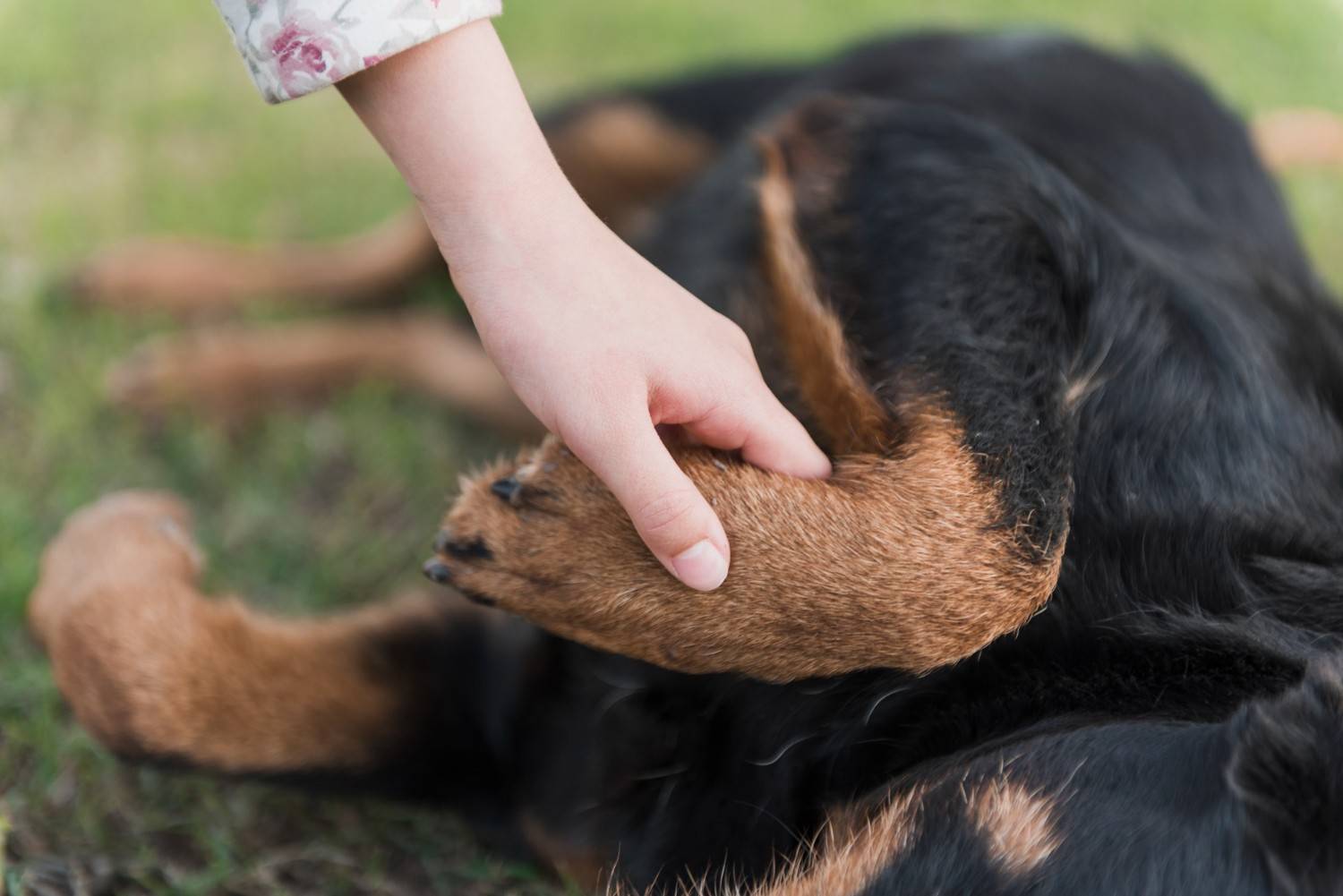
Your dog is chewing their paws again. You’ve noticed the red, raw skin between their toes, and honestly, it’s starting to worry you.
Here’s the surprising part: allergies in dogs feet are one of the most misdiagnosed conditions in veterinary medicine, and most owners don’t catch the real cause until months of discomfort have already passed.
In this guide, you’ll find out exactly what triggers paw allergies in dogs, how to recognize the early warning signs, and what actually helps to give your dog relief (not just a quick fix). As a zoologist and pet parent who’s been down this road myself with my own rescue pup, I’ll simplify the science in an easy, straightforward way so you can take immediate and confident action.
Table of Contents
What Are Allergies in Dogs Feet, Exactly?
When we talk about allergies in dogs feet, we’re really talking about paw dermatitis triggered by an overactive immune response. Your dog’s paws are packed with sweat glands and thin skin, which makes them a prime target for irritants.
There are three broad categories vets typically look at:
- Environmental allergies (atopic dermatitis) – pollen, dust mites, mold
- Food allergies – proteins like chicken, beef, or dairy
- Contact allergies – cleaning products, certain grasses, or fabrics
What Causes Dog Paw Allergies?
Is It Seasonal Allergies or Something Else?
Seasonal allergies in dogs feet often flare up in spring and fall, coinciding with pollen counts. If your dog’s symptoms come and go with the seasons, environmental allergens are the likely culprit.
But if the itching persists year-round, food sensitivities or a contact allergy might be to blame instead. This is exactly why timing matters so much when you’re trying to pin down the trigger.
Can Food Allergies Cause Itchy Paws in Dogs?
Yes, and this surprises a lot of pet owners. Food allergies in dogs often show up as paw licking before any digestive symptoms appear.
Common culprits include chicken, beef, dairy, and wheat. An elimination diet, guided by your vet, remains the gold standard for confirming a food allergy.
Expert Tip

Don't switch foods randomly to "test" for allergies. A true elimination diet requires 8–12 weeks of a single novel protein source, with zero treats or table scraps sneaking in.
7 Warning Signs of Dog Paw Allergies
Catching these early can save your dog months of discomfort:
- Over-licking/chewing of one or more paws
- Red, swollen skin between toes
- saliva staining: brown stain on fur from constant licking
- Swelling around the paw pad or toe area
- A strong, yeasty odor coming from the feet
- Limping or favoring one paw due to soreness
- Hair loss around the affected area
If you’re noticing two or more of these signs, it’s time to book a vet visit rather than wait it out.
How Do Vets Diagnose Allergies in Dogs Feet?
Diagnosis is usually a layered approach, as paw allergies rarely have one obvious cause. Your vet may do a physical exam and a skin scraping to rule out mites or fungal infections.
From there, they may recommend:
- Intradermal testing of the skin for environmental allergens
- Blood serum allergy testing
- Food elimination trial
- Cytology to check for secondary bacterial or yeast infections.
Did you know?

Nearly 40% of dogs with paw allergies also develop secondary yeast infections because constant licking creates a warm, moist environment yeast loves to thrive in.
Home Remedies vs. Vet Treatment: What Actually Works?
Natural Remedies for Dog Paw Allergies
Mild cases can sometimes be managed with supportive home care, but it won’t fix an underlying allergy on its own. Here’s what can actually help with the veterinary advice:
- Paw Soaks with Vet-approved Diluted Antiseptic Solutions
- Omega-3 Fatty Acid Supplements for Skin Barrier Health
- Regular paw wipes after walks outside to remove pollen & allergens
- breathable dog booties for high pollen seasons
When Should You See a Vet for Dog Skin Allergies?
If home care hasn’t improved symptoms within a week, or if you notice swelling, open sores, or a foul smell, it’s time for professional treatment. Left untreated, allergic paw dermatitis can spiral into chronic infections that are much harder to resolve.
Commonly prescribed by Vets:
- Medicated shampoos or wipes containing antifungal properties
- Short course of steroids to bring down inflammation
- Antihistamines for minor environmental reactions
- Apoquel or Cytopoint for chronic atopy
Which Dog Breeds Are Most Prone to Paw Allergies?
Some breeds are genetically predisposed to allergic skin problems. If you have one of these, extra vigilance pays off.
- French Bulldog
- Golden Retriever
- Golden Retriever
- West Highland White Terrier
- Sharpei
This is not to say that mutts are completely off the hook. Any dog can develop allergies on their paws, especially with age or repeated exposure to the environment.
Preventing Dog Paw Allergies Long-Term
An ounce of prevention is worth a pound of cure. A few habits can help reduce flare-ups significantly:
- Clean paws after each walk outside, particularly in allergy season
- Safe Lawn and Grass Chemicals for Dogs
- Change your proteins up every now and again so you don’t create sensitivities.
- Maintain a consistent grooming and bathing schedule
- If you find that your skin worsens in dry air, use a humidifier indoors
Expert Tip

Keep a simple symptom journal. Note the date, weather, food given, and any new products used. Patterns often emerge within just a few weeks, making the vet's job and yours much easier.
Final Thoughts
Your dog can’t tell you their paws are on fire with itchiness, but now, you know exactly how to read the signs and act on their behalf.
Found this helpful? Share it with a fellow dog owner, or drop a comment below with your own paw-allergy story. We’d love to hear how you cracked the case.
FAQs
Even without visible redness, mild inflammation or allergen contact can trigger the urge to lick. It’s often an early-stage allergy response before physical symptoms fully develop.
Not necessarily. Grain-free diets don’t automatically solve allergies unless grains are the confirmed trigger. The protein source matters more than whether grains are present.
Environmental allergies typically can’t be “cured,” but they can be well-managed with the right combination of diet, medication, and preventive care. Food allergies, on the other hand, can often be resolved by avoiding the trigger ingredient long-term.
With proper treatment, mild cases often improve within 1–2 weeks. Chronic or infected cases may take 4–8 weeks of consistent care to fully resolve.
Yes, contact allergies especially can affect a single paw if it touched an irritant directly. However, if all four paws are affected, environmental or food allergies are more likely.