
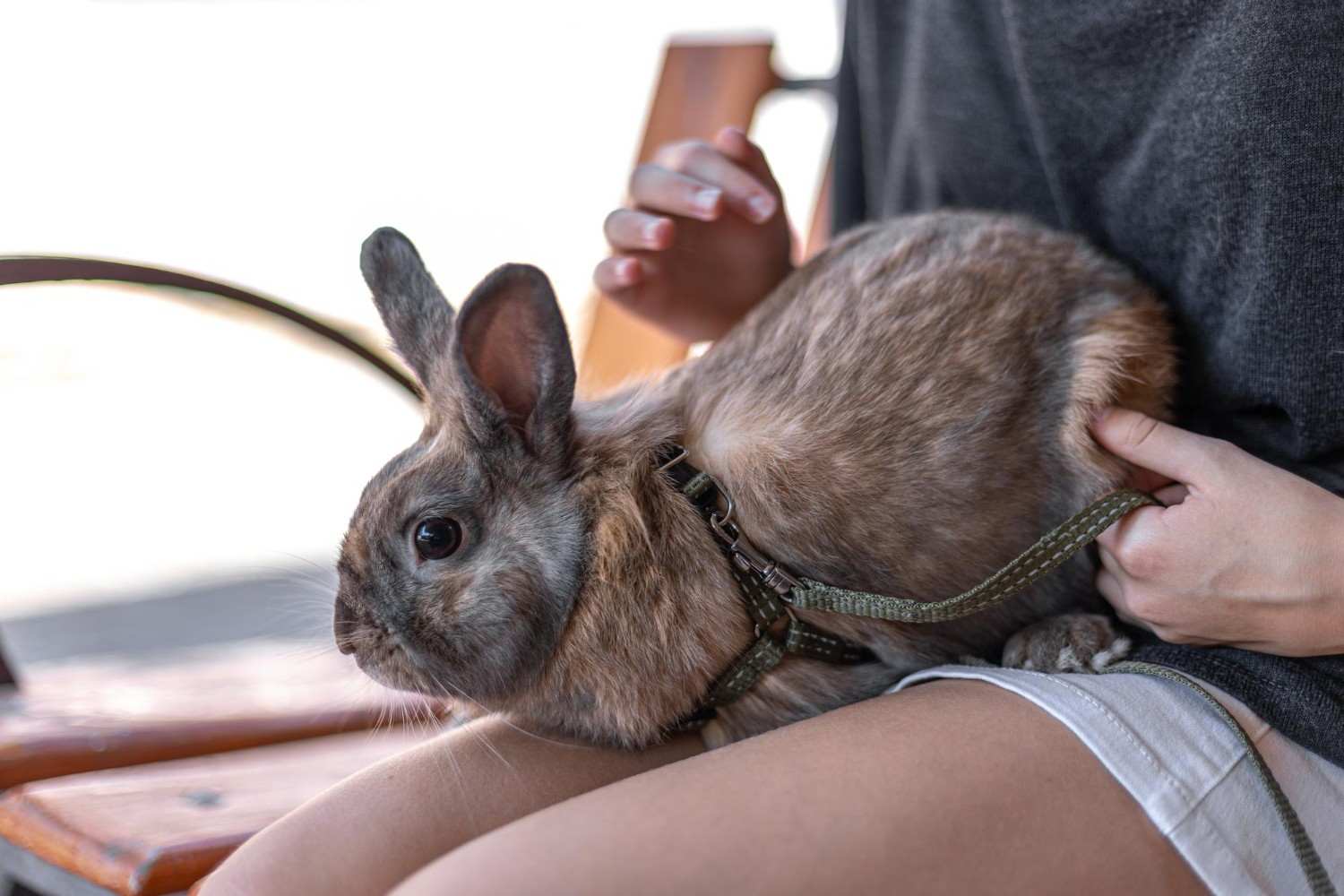
Your rabbit stops eating for six hours, and suddenly you’re staring at a $1,200 emergency vet bill. Rabbits hide pain so well that by the time you notice something’s wrong, it’s often already an emergency, and emergencies are never cheap.
That’s why rabbit pet insurance has quietly become one of the fastest growing niches in the exotic pet world. Whether you’re a bunny parent or a vet student and you’re wondering how coverage works for small mammals, this guide covers all you need to know before signing up for a policy.
Discover what rabbit pet insurance actually covers, how much it costs, which providers cover exotic pets and the mistakes first-time buyers make. By the time we’re done, you’ll know exactly what to look for (and what to avoid).
Table of Contents
Why Rabbits Need Insurance More Than You Think
Rabbits are prey. In the wild, if you show weakness, you get eaten, so rabbits instinctively hide pain until they can’t. That survival instinct doesn’t disappear just because your bunny is in a hutch and not a meadow.
This means two things for owners:
- Health problems often go unnoticed until they’re serious.
- Treatment, when it happens, tends to be urgent and expensive.
Add to that the fact that rabbits are considered “exotic pets” by most vets, and you get a perfect storm: specialized care, fewer available vets, and higher price tags per visit.
Did you know?

Rabbits' digestive systems can shut down (a condition called GI stasis) within hours of stress or a dietary change. It's one of the most common and most expensive rabbit emergencies, often requiring hospitalization.
What Does Pet Insurance for Rabbits Actually Cover?
Rabbit health insurance plans usually fall into a few categories. It’s like a phone plan – you pick the tier that matches how much protection you really need.
Accident Only coverage
This is the budget choice. It covers injuries (such as broken bones, bites or swallowed foreign objects) but not illnesses.
Accident and Illness Coverage
The most popular choice. It covers infections, dental issues, GI stasis, respiratory problems, and accidents. This is usually what people mean when they search for the best pet insurance for rabbits.
Wellness Add-Ons
Some insurers let you bolt on coverage for routine check-ups, nail trims, and dental filing the preventive care that keeps emergencies from happening in the first place.
What’s Typically Excluded
- Pre-existing conditions
- Cosmetic procedures
- Breeding-related costs
- Elective spay/neuter (sometimes covered under wellness add-ons)
Think of exclusions like the fine print on a warranty; always read them before you assume you’re covered.
How Much Does Rabbit Insurance Cost?
Bunny insurance costs vary based on your rabbit’s age, breed, location, and the coverage level you choose. Here’s a general breakdown:
| Coverage Type | Average Monthly Cost |
| Accident-only | $6–$12 |
| Accident + Illness | $12–$25 |
| Comprehensive + Wellness | $20–$35 |
Older rabbits (age 5+) usually cost more to insure, since rabbit vet costs climb sharply once dental disease or arthritis becomes a factor.
Expert tip

Insure your rabbit while it's young and healthy. Premiums are lower, and you avoid the "pre-existing condition" trap that locks out coverage for issues that develop later.
Is Pet Insurance for Rabbits Worth It?
Here’s a real answer: It will be based on your risk tolerance and your emergency fund.
One GI stasis emergency can cost between $500 and $1,500. Dental surgery for overgrown molars (a very common problem with rabbits) can run $300-$800. If you don’t have that kind of cash lying around, insurance makes a financial cliff into a predictable monthly bill.
Ask yourself:
- Could I cover a $1,000 emergency vet bill tomorrow without financial stress?
- Does my rabbit have a breed-specific risk (like dental issues in dwarf breeds)?
- Do I have access to an exotic-animal vet nearby?
If you answered “no” to the first question, insurance is likely worth the monthly premium.
Which Providers Offer Exotic Pet Insurance for Rabbits?
Not all insurance companies insure rabbits; most only insure cats and dogs. If you are looking for exotic pet insurance, make sure you find companies that actually say “small mammals” or “exotic pets” in their policies.
Key things to compare across providers:
- Annual coverage limit – some cap payouts at $2,000–$5,000/year
- Reimbursement percentage – typically 70%–90% of the vet bill
- Deductible structure -annual vs. per-condition
- Waiting periods -usually 14 days for illness, shorter for accidents
- Network restrictions -can you use any licensed exotic vet, or only in-network ones?
Did you know?

Some insurers require you to enroll your rabbit before it turns a certain age (often 6–8 years old) to qualify for a policy at all.
7 Common Mistakes Rabbit Owners Make with Insurance
- Older rabbits are turned away or asked to pay more if they wait too long to enroll.
- Dental is often only partially covered. Don’t read exclusion lists.
- Choose accident-only coverage – GI stasis and infections are not accidents.
- Skip the annual payout cap – a low cap defeats the purpose of major illness.
- Not adding on wellness – preventive care catches issues before they become emergencies.
- (Assuming all vets are in-network – exotic vets are rare; check coverage first.)
- Canceling after one healthy year – rabbits often have age-related issues later when it’s harder to get premiums.
How to Choose the Right Policy for Your Bunny
Choose the right coverage for your rabbit’s life stage:
- Healthy rabbit (1-3 years) accident + illness plan Early premium locked in & low
- Middle-aged rabbit (4 to 6 years of age): Add a wellness plan for dental exams and nails.
- Older rabbit (7+ years): Find a company that doesn’t put an age cap on you, even if it means paying a higher premium.
Always ask for a sample policy document before you buy. Compare it line-by-line against at least two competitors. When the monthly price is similar, the differences in exclusions and payout caps can be significant.
Final Thoughts
Rabbits are very good at hiding illness, so emergencies often come very quickly and hit very hard both financially and physically. Rabbits get sick, and pet insurance for rabbits won’t prevent that. But it can turn a vet bill into a crisis.
Start early, read the fine print, and customize coverage to your rabbit’s life stage. Your future self (and wallet) will thank you.
FAQs
Most accident-and-illness plans cover dental issues like malocclusion, but routine dental filing often requires a wellness add-on. Always check the specific policy wording.
Expect to pay between $6 and $35 per month, depending on coverage level, your rabbit’s age, and your location.
Yes, though options narrow after age 6–8. Some insurers charge higher premiums or exclude age-related conditions for senior rabbits.
Pre-existing conditions, cosmetic procedures, and breeding costs are almost universally excluded. Always review the exclusions list before enrolling.
For routine care, out-of-pocket is often cheaper. For emergencies like GI stasis or surgery, insurance typically saves you significantly more than the premiums cost.