
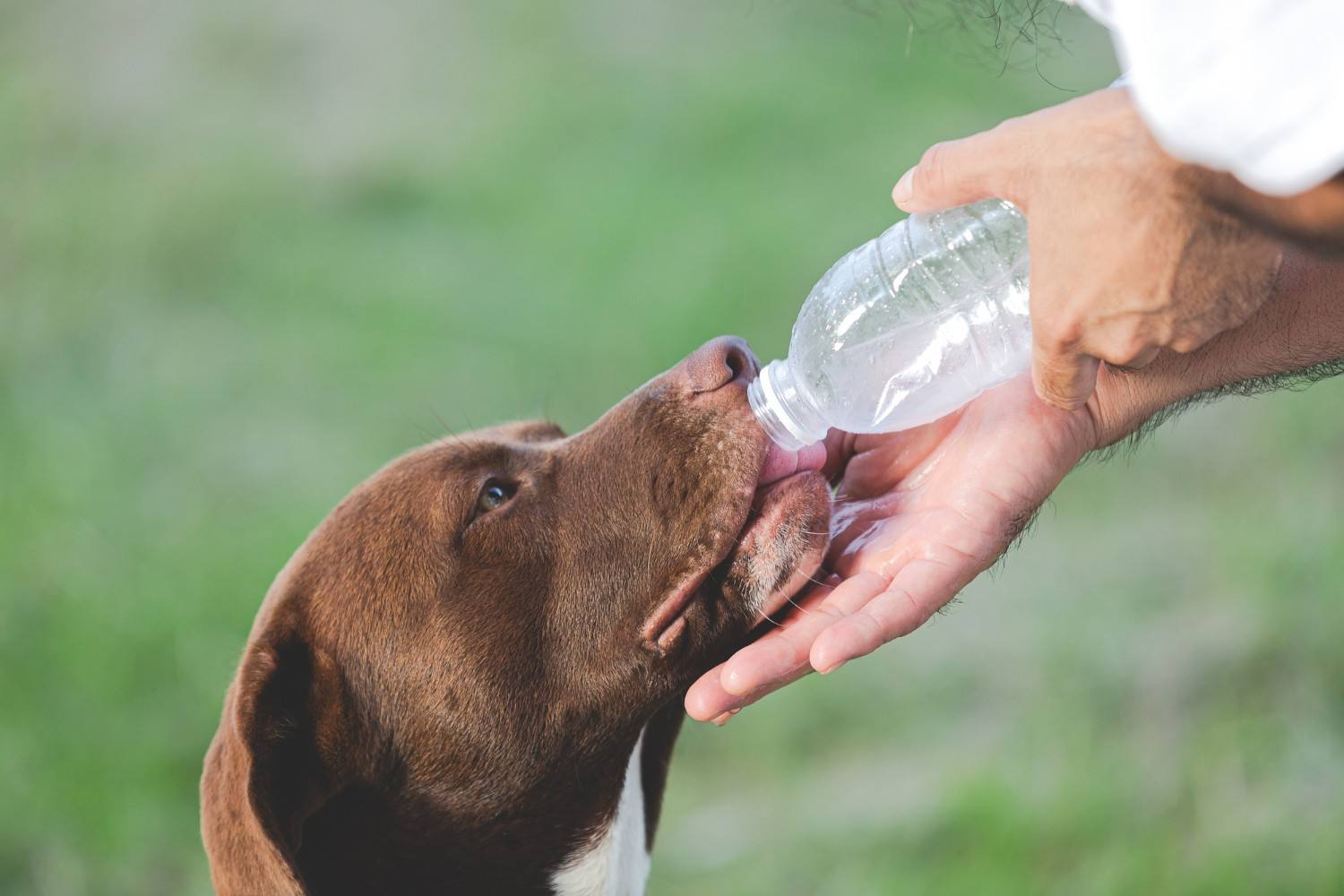
If you’ve ever panicked at 11PM looking for a dog dehydration remedy, you’re not alone. In this guide, you’ll learn how to spot dehydration early, which home remedies actually work, which are dangerous myths, and when to stop Googling and start driving to the vet.
If you’re a first-time pet parent or a vet student brushing up on canine fluid balance, this is the practical, science-backed breakdown you need.
Table of Contents
Why Dogs Get Dehydrated So Easily
Dogs don’t sweat the way we do. They rely almost entirely on panting and a small number of sweat glands in their paw pads to regulate body heat. That’s a much less efficient cooling system than ours.
Think of it like a car with a small radiator trying to cool a big engine. Push it too hard hot weather, long walks, illness, or not enough water and it overheats fast.
Common causes of dehydration in dogs include:
- Heat exposure – hot cars, long summer hikes, humid weather
- Vomiting or diarrhea – fluid loss occurs rapidly with GI upset
- Fever or infection — the body consumes fluid reserves faster
- Low water intake – illness, toothache or strange surroundings
- Kidney disease or diabetes, chronic disease affecting fluid balance
Expert tip

Puppies, senior dogs, and flat-faced (brachycephalic) breeds like Bulldogs and Pugs dehydrate faster because of higher metabolic demands or restricted airflow for panting. Watch these groups extra closely in warm weather.
Signs of Dehydration in Dogs You Shouldn’t Ignore
Before jumping to any dog dehydration remedy, you need to confirm dehydration is actually the problem. Here’s what to check.
What Are the Early Signs of Dehydration in Dogs?
- Dry or tacky gums (healthy gums feel wet and slippery)
- Thick, ropey saliva
- Loss of skin elasticity gently pull the skin between the shoulder blades; it should snap back instantly
- Sunken-looking eyes
- Low energy or unusual lethargy
- Reduced urination or darker urine
How Do You Do the Skin Tent Test at Home?
- Gently pinch up a small fold of skin between your dog’s shoulder blades.
- Crank it up a little and release it.
- In a hydrated dog, the skin will snap back within one second.
- If it’s still tented or slowly returning, your dog probably needs fluids.
This simple test takes five seconds and gives a real-time snapshot of your hydration status, no equipment needed.
7 Effective Dog Dehydration Remedies You Can Try Today
These remedies can help balance out once you’ve confirmed mild to moderate dehydration (not a collapse-level emergency).
1. Take small, frequent sips of water
A dehydrated dog shouldn’t gulp an entire bowl at once, as it can induce vomiting and make the problem worse. Instead, feed small amounts every 15-20 minutes.
2. Employ a Vet-Approved Canine Electrolyte Solution
Electrolytes for dogs replace sodium, potassium and chloride lost from vomiting, diarrhea or heavy panting. Avoid sugar-laden sports drinks meant for humans and seek out pediatric electrolyte solutions, such as unflavored Pedialyte, or rehydration formulas designed specifically for veterinary use.
3. Include Moist Foods
If your dog won’t drink directly, you can try wet food, low-sodium, onion-free bone broth, or ice chips to help increase fluid intake.
4. Immediately Cool the Environment
Get your dog into the shade or air conditioning. Use a damp towel to cover the paw pads, belly, and ear areas that have better blood flow to slowly bring down body temperature.
5. Try Ice Cube’s “Licking Therapy”
Ice cubes are a way to hydrate reluctant drinking dogs slowly and in a controlled way. It also gives them mental stimulation while they work to melt it.
6. Rest and Activity Reduction
Dehydration stresses the cardiovascular system. Stop exercising immediately and allow your dog to rest in a cool, calm place until hydration improves.
7. Check Urination & Gum Color
Time how often your dog pees every hour. Check your dog’s gum color. You should notice some improvement within a few hours of starting home care.
Did you know?

A dog's normal water intake is roughly 1 ounce per pound of body weight per day. A 40-pound dog needs about 40 ounces (5 cups) more daily in hot weather or after exercise.
Dog Dehydration Treatment at Home vs. When to See a Vet
Mild dehydration responds well to home treatment. Dehydration is a spectrum, and some cases require professional intervention.
How To Treat Dog Dehydration In The Home
Yes, for mild cases with normal energy, slightly tacky gums and a skin tent that snaps back in 1-2 seconds. Usually small sips of water, electrolytes and rest are all that are needed.
When to See a Vet About Your Dehydrated Dog
If you see any of the following, get veterinary attention immediately
- Skin that tents for more than 2-3 seconds
- Deep-set eyes or extreme tiredness
- Persistent vomiting or diarrhea for more than 12 hours
- Collapse, seizures or not responding
- No urination for more than 12 hrs
At this point, your dog is probably in need of subcutaneous or intravenous fluids, which only a veterinarian can safely administer.
Expert insight

As a behaviorist, I've seen owners mistake lethargy for "just being tired." In dogs, sudden lethargy paired with dry gums is one of the most reliable early dehydration indicators don't wait it out.
How to Prevent Dog Dehydration Before It Starts
Prevention is better than cure. Try adding these habits into your routine:
- Place several water bowls around the house and refill them daily
- Take a collapsible water bowl on walks and hikes
- Do not exercise dogs in extreme heat (11 AM – 4 PM)
- Add wet food or broth to meals for dogs who don’t drink well
- Watch water consumption more carefully when sick or hot weather
The easiest and most effective long-term dog dehydration remedy is a regular hydration routine.
Key Takeaways
Dog dehydration can progress rapidly but early detection is key. Skin tent test, dry gums, lethargy. Time is of the essence. Small sips of water, electrolytes, cool environment. If symptoms are more than mild don’t delay getting your dog to the veterinarian.
Did this guide help you? Share with another pet parent, or check out more of our dog health guides to keep your dog happy, healthy, and hydrated year-round.
FAQs
Small, frequent sips of water combined with a vet-approved electrolyte solution is the fastest safe method. Avoid forcing large amounts of water at once.
Unflavored Pedialyte in small amounts is generally considered safe for mild dehydration, but always check with your vet first, especially for puppies or dogs with kidney issues.
Mild dehydration often improves within a few hours of home care. Moderate to severe cases may take 24–48 hours, sometimes requiring vet-administered IV fluids.
Dry or tacky gums, thick saliva, reduced skin elasticity, and low energy are typically the earliest warning signs.
It’s common but not “normal” or harmless. Hot weather significantly raises dehydration risk, so proactive hydration is essential during summer months.