
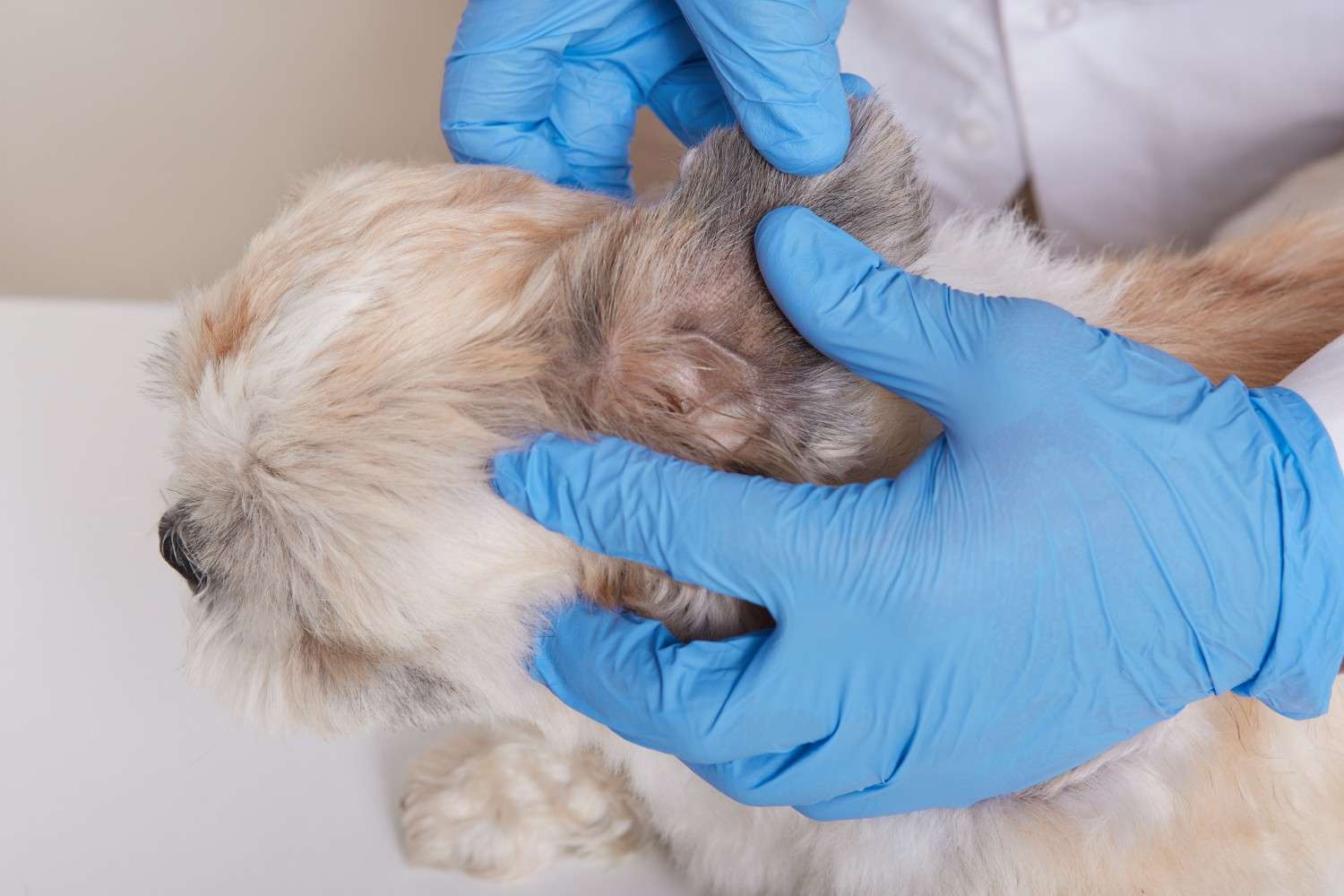
Your dog won’t stop scratching. There’s a funky smell coming from their coat, and now you notice red, crusty patches on their belly. Sound familiar? You’re not alone and your dog’s skin is trying to tell you something important.
Bacterial skin infection in dogs is one of the most common reasons pet owners rush to the vet. The good news? When caught early, it’s highly treatable. The tricky part? It often hides in plain sight disguised as “just allergies” or “a little itch.”
In this guide, you’ll learn exactly what causes bacterial skin infections in dogs, how to spot them before they spiral, and what treatments actually work straight from the science.
Table of Contents
What Is a Bacterial Skin Infection in Dogs?
The medical term is pyoderma from the Greek words for “pus” and “skin.” Not pretty, but accurate. Pyoderma means a bacterial infection has taken hold in your dog’s skin, producing inflammation, pus, and serious discomfort.
Dogs have natural bacteria living on their skin all the time. That’s normal. The problem starts when the skin’s protective barrier breaks down due to moisture, allergies, hormonal changes, or injury and bacteria seize the opportunity to multiply out of control.
The most common culprit? Staphylococcus pseudintermedius a staph species that’s practically tailor-made for canine skin. Think of it like an opportunistic houseguest: harmless when the door is locked, but chaotic once it finds a way in.
Not all skin problems in dogs are created equal but a bacterial skin infection in dogs is one you genuinely can’t afford to ignore. Unlike a simple rash that clears up on its own, bacterial infections dig in, spread, and get progressively harder to treat the longer they’re left alone. The earlier you recognize what you’re dealing with, the faster your dog gets relief.
What Causes Bacterial Skin Infections in Dogs?
A bacterial infection rarely shows up out of nowhere. It almost always has an underlying trigger. Here are the most common ones to know:
Skin Allergies
Allergies whether environmental, food-related, or flea-triggered cause your dog to scratch and chew relentlessly. Every scratch creates tiny micro-wounds in the skin, giving bacteria an easy entry point. Dog skin rash treatment often fails when the underlying allergy goes unaddressed.
Hormonal Imbalances
Conditions like hypothyroidism or Cushing’s disease alter the skin’s natural defense mechanisms. The result? A weakened barrier and a bacterial playground. Intact females in heat are also more susceptible due to hormonal fluctuations.
Moisture Entrapment
Wrinkled breeds think Bulldogs, Shar Peis, Pugs are especially prone. Skin folds trap heat, moisture, and bacteria. This creates a warm, moist environment that bacteria absolutely love. It’s like setting out a welcome mat.
Trauma or Injury
Cuts, bite wounds, hot spots, or even excessive licking can all compromise skin integrity. Once the skin barrier breaks, bacteria don’t wait for an invitation.
Parasites
Mange mites (demodex or sarcoptes) cause intense itching and skin damage that creates the perfect conditions for a secondary bacterial infection a double hit that makes treatment more complex.
Understanding what triggers a bacterial skin infection in dogs is just as important as treating one. In most cases, the bacteria don’t come from outside your home they’re already living harmlessly on your dog’s skin. What changes is the environment. When the skin barrier weakens, even a small imbalance can tip the scales from healthy microbiome to active infection. That’s why the same dog can go years without an issue, then suddenly develop recurring pyoderma after a single unmanaged allergy season.
How Do You Know If Your Dog Has a Bacterial Skin Infection?
Here’s where it gets practical. Bacterial skin infections in dogs produce a distinctive cluster of symptoms. Knowing what to look for can save your dog days or weeks of unnecessary discomfort.
| Red, Inflamed Skin | Especially around the belly, groin, armpits, or skin folds |
| Pustules or Papules | Small pus-filled bumps the canine version of pimples |
| Crusty or Scaly Patches | Dried discharge and flaking skin around lesion sites |
| Hair Loss | Circular or patchy thinning sometimes mistaken for ringworm |
| Odor | A distinct musty or sour smell, especially in skin folds |
| Intense Itching | Constant scratching, licking, or chewing at the affected area |
Pyoderma is typically classified by depth. Surface pyoderma affects only the very top layer of skin hot spots are a classic example. Superficial pyoderma goes slightly deeper into the hair follicles. Deep pyoderma is the most serious form, penetrating into the dermis and sometimes causing draining tracts or nodules.
How Is a Bacterial Skin Infection in Dogs Diagnosed?
Don’t rely on Google images alone. Diagnosis matters a lot. Many skin conditions in dogs look strikingly similar, including fungal infections, autoimmune disorders, and even some cancers.
Your vet will typically start with a physical exam and ask about your dog’s history. From there, they may recommend:
- Skin cytology: a quick, in-clinic test where cells are collected from a lesion and examined under a microscope to identify the type of organism
- Bacterial culture and sensitivity: identifies the specific bacteria present and which antibiotics will work against it (crucial for resistant strains)
- Skin scraping: rules out mite infestations that could be causing secondary infections
- Blood tests: look for hormonal imbalances if you keep getting infections.
The most important thing you can do to properly treat a bacterial skin infection in dogs is to get a confirmed diagnosis. A lot of owners skip this step because they think it will go away on its own or because they use over-the-counter medicines that aren’t meant for deep skin infections. A proper vet exam doesn’t just confirm the infection; it also tells you what kind of bacteria it is and what antibiotic will work against it. That information is worth the full price of the consultation.
Allergy testing: if you think your allergies to food or the environment are to blame
One thing that surprises many pet owners is how quickly a bacterial skin infection in dogs can escalate. What starts as a small red patch on the belly can spread across the torso within days if the conditions are right warm weather, a compromised immune system, or a dog that won’t stop licking the area. Speed matters here. The moment you spot two or more of the 7 signs listed above, that’s your cue to act.
Treatment Options That Actually Work
Here’s what separates a quick fix from a lasting cure. Treating canine skin disease effectively almost always requires a two-pronged approach: kill the bacteria, and fix what let them in.
| Treatment Type | Used For | Severity |
| Medicated shampoos (chlorhexidine, benzoyl peroxide) | Surface & superficial pyoderma | Mild |
| Topical antibiotics (mupirocin cream) | Localized lesions | Mild–Moderate |
| Oral antibiotics (amoxicillin-clavulanate, cephalexin) | Widespread or recurrent infections | Moderate |
| Culture-guided antibiotics (MRSP cases) | Antibiotic-resistant staph infections in dogs | Severe |
| Immunotherapy / allergy management | Allergy-driven recurring pyoderma | Ongoing |
Topical Therapy: The Unsung Hero
Medicated baths are not just extras; they are often the main part of treatment. Chlorhexidine shampoos (2–4%) are very good at killing bacteria. You should use them, lather them up, and leave them on for 5–10 minutes before rinsing. Taking a bath twice a week while you have an active infection can speed up your recovery by a lot.
Oral Antibiotics: Duration Matters
This is where many pet owners go wrong. You must complete the full antibiotic course typically 3 to 6 weeks for superficial infections, and up to 3 months for deep pyoderma. Stopping early because your dog “looks better” is how antibiotic-resistant bacteria develop.
What About Natural Remedies?
Coconut oil, apple cider vinegar, manuka honey you’ll find plenty of suggestions online. Some have limited antimicrobial properties in lab settings. But for an established bacterial infection, none of these replace veterinary-prescribed treatment. They may soothe mild irritation but will not cure a pyoderma infection on their own.
How Can You Prevent Bacterial Skin Infections in Dogs?
Preventing a bacterial skin infection in dogs comes down to one principle: keep the skin barrier strong. Think of your dog’s skin as a fortress wall allergies, parasites, hormonal shifts, and moisture are the forces constantly testing it. Your job as a pet owner is to shore up the defenses before a breach happens, not scramble to repair the damage after.
Prevention is genuinely easier and far cheaper than treatment. Here’s what works:
- Keep skin folds dry and clean. For wrinkled breeds, gently wipe folds daily with a dry or slightly damp cloth. Moisture is bacteria’s best friend.
- Address allergies promptly. Unmanaged dog itchy skin causes far more damage than owners realize. Work with your vet on a long-term allergy plan.
- Use parasite prevention year-round. Fleas and mites are major skin infection triggers. Monthly preventatives are non-negotiable.
- Regular grooming. A clean, well-maintained coat is your dog’s first line of defense. Mats and debris harbor bacteria.
- Balanced nutrition. Omega-3 fatty acids (EPA and DHA from fish oil) demonstrably support skin barrier function. Talk to your vet about appropriate supplementation.
- Treat hot spots immediately. A hot spot left untreated for 24–48 hours can transform from a minor irritation into a full-blown infection requiring antibiotics.
The Bottom Line on Bacterial Skin Infections in Dogs
Bacterial skin infections in dogs are common, uncomfortable, and completely manageable when caught early and treated correctly. The key is learning to read your dog’s skin signals before a minor irritation becomes a major problem.
Remember the essentials: identify the underlying cause, complete the full antibiotic course, stay consistent with medicated baths, and work proactively on prevention. Your dog can’t tell you when something’s wrong. But their skin absolutely can.
If this guide helped you understand what your pup might be going through, consider sharing it with a fellow dog owner. And if you have questions about your dog’s specific situation, always loop in your vet a quick visit now beats a complicated case six months later.
FAQs
Most bacterial skin infections in dogs, like those caused by Staphylococcus pseudintermedius, only happen to certain kinds of dogs and aren’t very dangerous for healthy people. People who are older, very young, or have weak immune systems should be careful, though. They should wash their hands after touching sick pets, stay away from open wounds, and see a doctor if they are worried. It’s not zero, but the risk is low.
It depends on the depth of the infection. Surface and superficial pyoderma typically resolve within 3 to 6 weeks with consistent treatment. Deep pyoderma can take 8 to 12 weeks or longer. You should see visible improvement within the first 2 weeks if you don’t, contact your vet, as the bacteria may be resistant to the prescribed antibiotic.
A staph infection in dogs usually shows up as red, raised bumps (papules), pus-filled pustules, or round, crusted lesions with a ring of redness around them. You might also see hair loss in round patches, a musty smell on your skin, and a lot of itching. These lesions usually show up on the belly, groin, chin, and paws, where the skin is thinner or more exposed.
A shampoo with chlorhexidine in it can help with very mild surface irritation and early symptoms. But you almost always need prescription antibiotics to completely get rid of a real bacterial skin infection. If you don’t get a diagnosis from a vet, you could misdiagnose the problem, use treatments that don’t work, and let the infection get worse, which will make it take longer to heal and cost more to treat.
If your dog keeps getting bacterial skin infections, it’s usually because of an underlying condition that hasn’t been treated yet. This is usually allergies (to food or the environment), hormonal disorders like hypothyroidism or Cushing’s disease, or a problem with the immune system. If you only treat the infection each time without looking into what caused it, you’ll never win. If your dog has had more than two infections in a year, talk to your vet about allergy testing, a dietary elimination trial, or a full hormonal workup.