
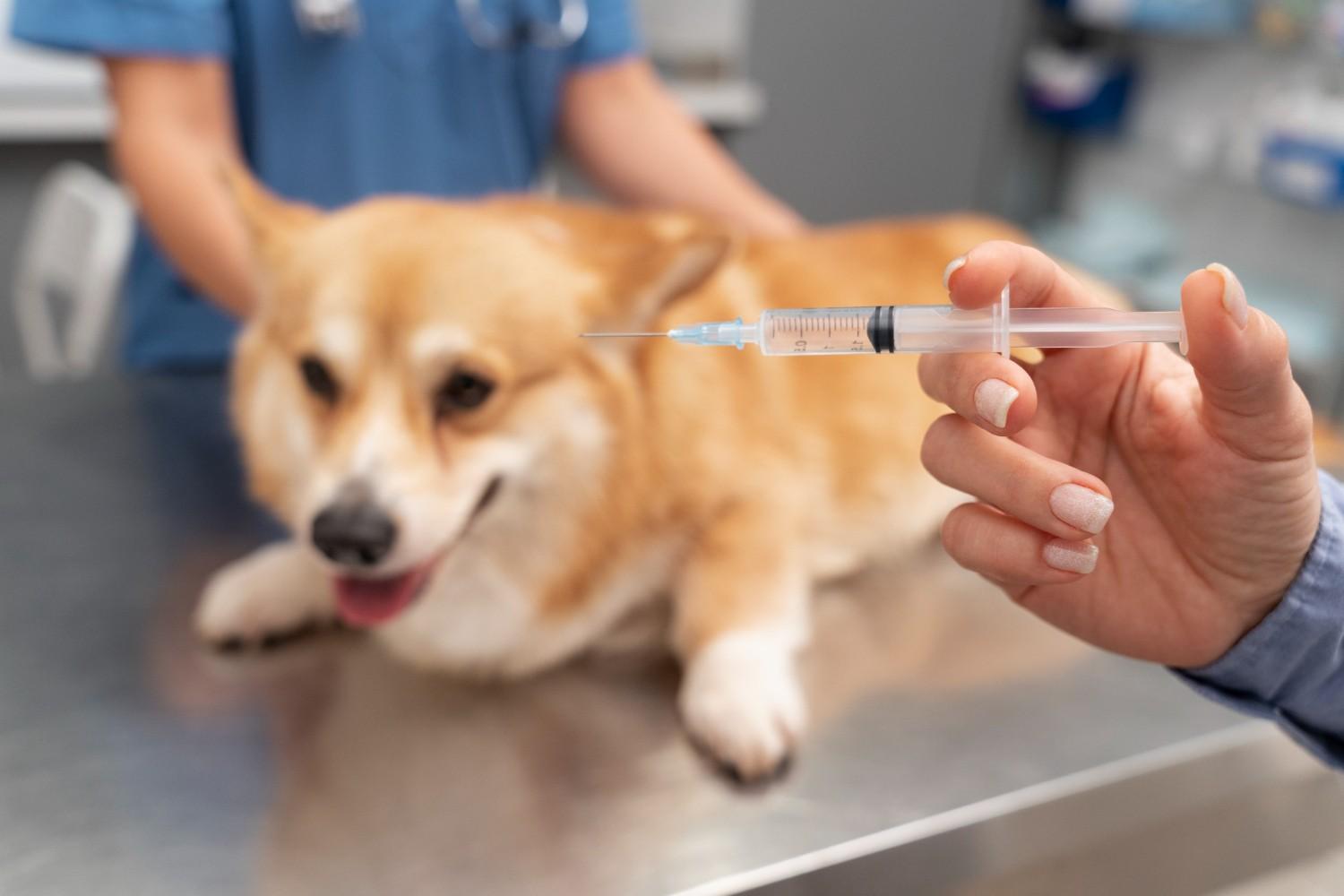
Your dog just had a playdate at the dog park. Two days later a harsh, honking cough that sounds like a goose trapped in a shopping cart. Sound familiar? That’s kennel cough, and the bordetella vaccine for dogs is your best line of defense against it.
Surprisingly, kennel cough isn’t just found in “boarding kennels.” It spreads in dog parks, grooming parlors, training sessions, and even when two leashed dogs quickly sniff each other while out for a walk. But millions of pet owners don’t get this vaccine because they don’t know how dangerous it is.
This guide will tell you everything you need to know about the bordetella vaccine, like what it does, who needs it (and who doesn’t), when to get it, possible side effects, and how much it really costs.
Table of Contents
What Is the Bordetella Vaccine for Dogs and Why Does It Exist?
The main cause of infectious tracheobronchitis, also known as kennel cough, is the bacterium Bordetella bronchiseptica. It is like whooping cough for dogs, but for people. It spreads through droplets in the air and is very contagious. It can make a healthy dog sick for one to three weeks.
The bordetella vaccine for dogs teaches your dog’s immune system to recognize and fight this bacterium before a real infection takes hold. It doesn’t work like a force field. Vaccinated dogs can still occasionally get mild kennel cough but it dramatically reduces the severity and duration of illness. It’s the difference between a bad cold and bronchitis that turns into pneumonia.
The main cause of infectious tracheobronchitis, also known as kennel cough, is the bacterium Bordetella bronchiseptica. It is like whooping cough for dogs, but for people. It spreads through droplets in the air and is very contagious. It can make a healthy dog sick for one to three weeks.
Does Your Dog Actually Need the Kennel Cough Vaccine?
The truth is? It all depends on how your dog lives. The bordetella vaccine is not a core vaccine like rabies or distemper; it is a “lifestyle vaccine.” But “optional” doesn’t mean “not needed.” It’s very good for most dogs these days.
Which dogs have the highest risk?
| Lifestyle Factor | Risk Level | Vaccine Recommended? |
| Boarding kennels or doggy daycare | High | Almost always required |
| Regular dog park visits | High | Strongly recommended |
| Group training classes | Moderate | Yes, highly advised |
| Regular grooming salon visits | Moderate | Yes, many salons require it |
| Mostly isolated, single-dog home | Low | Discuss with your vet |
Many boarding facilities and groomers legally require proof of a current bordetella vaccination before they’ll accept your dog. If your pup ever travels with you or stays at a pet hotel, this vaccine isn’t optional it’s the price of admission.
What Is the Bordetella Vaccine Schedule for Dogs?
Timing matters with puppy vaccines, and bordetella is no exception. Here’s a clear breakdown of the standard dog vaccination schedule for bordetella:
| 6–8 weeks | First dose | Intranasal or oral recommended |
| 10–12 weeks | Second dose | If series started at 6–8 wks |
| 6 months+ | Booster | Based on lifestyle risk |
| Every 6–12 months | Annual / biannual booster | High-risk dogs every 6 months |
Most adult dogs with low social exposure need a bordetella booster once a year. Dogs who are frequently boarding, attending daycare, or competing in shows may need one every six months. Your vet will help you figure out the right cadence based on your dog’s individual risk profile.
What are the three types of bordetella vaccines available?
- Intranasal (nasal drops): Squirted directly into the nostrils. Fastest acting — protective immunity within 72 hours. Stimulates local immunity right at the infection site.
- Oral (liquid swallowed): A newer option, given by mouth. Easy to administer, similar onset to intranasal. Great for dogs who resist nasal drops.
- Injectable (subcutaneous shot): The classic option. Takes 5–7 days for full effect. Best for dogs who need combination vaccines in a single visit.
What Are the Side Effects of the Bordetella Vaccine in Dogs?
Here’s the good news: bordetella side effects in dogs are generally mild and short-lived. Most dogs shake off the vaccine like a champ within 24–48 hours. But you should still know what to watch for.
There are some common, mild side effects that you don’t need to worry about:
- Feeling tired or low energy for a day or two
- A little pain or swelling at the site of the injection
- A runny nose or mild sneezing, especially after getting the vaccine through the nose
- Slight loss of appetite
- Low-grade fever
Rare but serious reactions (call your vet immediately):
- Facial swelling or hives
- Persistent vomiting or diarrhea
- Difficulty breathing or sudden collapse
- Anaphylaxis (extremely rare — affects roughly 1 in 15,000 dogs)
How Much Does the Bordetella Vaccine for Dogs Cost?
This is one of the cheapest vaccines you can get for your dog. In the United States, you can usually count on:
- A single bordetella vaccine costs $20 to $45 at a private vet clinic.
- Low-cost vaccine clinics (like PetSmart, Petco, and shelters) charge between $10 and $25.
- As part of a wellness package: Often bundled at a discount
Prices vary based on your location, the type of vaccine (intranasal vs. injectable), and whether it’s given during a full wellness exam. Compared to treating a full-blown kennel cough infection which can run $200–$500+ for supportive care, antibiotics, and follow-up visits prevention is a no-brainer financially.
Can Puppies Get the Bordetella Vaccine? A Guide for New Dog Parents
Yes, and they should, ideally starting at 6 to 8 weeks of age. Puppies are especially vulnerable to kennel cough because their immune systems are still under construction. Think of a puppy’s immune system like a new apartment with the walls still going up, it needs time and the right materials (like vaccines) to become truly protective.
For puppies heading to socialization classes which vets and behaviorists strongly recommend before 16 weeks for proper development. The bordetella vaccine is essential. Many puppy classes require it as a condition of enrollment.
Dogs need bordetella boosters for the rest of their lives, even after they have had all of their puppy shots. This vaccine doesn’t give you immunity forever, which is why a good dog vaccination schedule includes regular updates.
The Bottom Line on the Bordetella Vaccine for Dogs
The bordetella vaccine for dogs is safe, cheap, works quickly, and really does lower the risk and severity of kennel cough. It’s not a core vaccine, but for most dogs that spend time with other dogs, it’s a good idea to add it to their yearly care routine.
You and your vet can come up with a vaccination plan that keeps your dog safe without giving them too many shots. And if you’re going to board your pet or go on a trip, make that appointment at least a week in advance.
FAQs
The bordetella vaccine usually protects your dog for 6 to 12 months, but this can vary based on the type of vaccine and how your dog’s immune system reacts. Every six months, high-risk dogs (those who go to daycare or board a lot) should get a booster. Most low-risk dogs are safe with an annual booster shot given at their regular health checkup.
Most places don’t have to give the bordetella vaccine, but they do have to give the rabies vaccine. But many private businesses, like boarding kennels, doggy daycares, groomers, and dog training facilities, require it as a condition of service. Before you book, call the facility to confirm.
Yes, but it’s much less likely, and if they do get sick, it will be a lot less serious. There are many germs that can cause kennel cough, but the bordetella vaccine only protects against Bordetella bronchiseptica. Some dogs may still show mild signs of illness from other viruses that are also present. This is why the DHPP vaccine (which protects against parainfluenza) and the bordetella vaccine work better together.
They both work, but in different ways. The intranasal bordetella vaccine works quickly (within 72 hours) and boosts localized immunity right at the nasal mucosa, where infections usually start. It takes 5 to 7 days for the injectable version to work, but it’s easier to get all of your vaccines in one visit. Based on your dog’s age and personality, your vet will suggest the best option.
Yes, in fact, senior dogs are often more vulnerable to respiratory infections because immune function can decline with age. If your older dog still socializes, boards, or visits the groomer, keeping their bordetella vaccination current is just as important as it was in their youth. Discuss with your vet if your senior dog has any underlying health conditions that might affect vaccine decisions.