
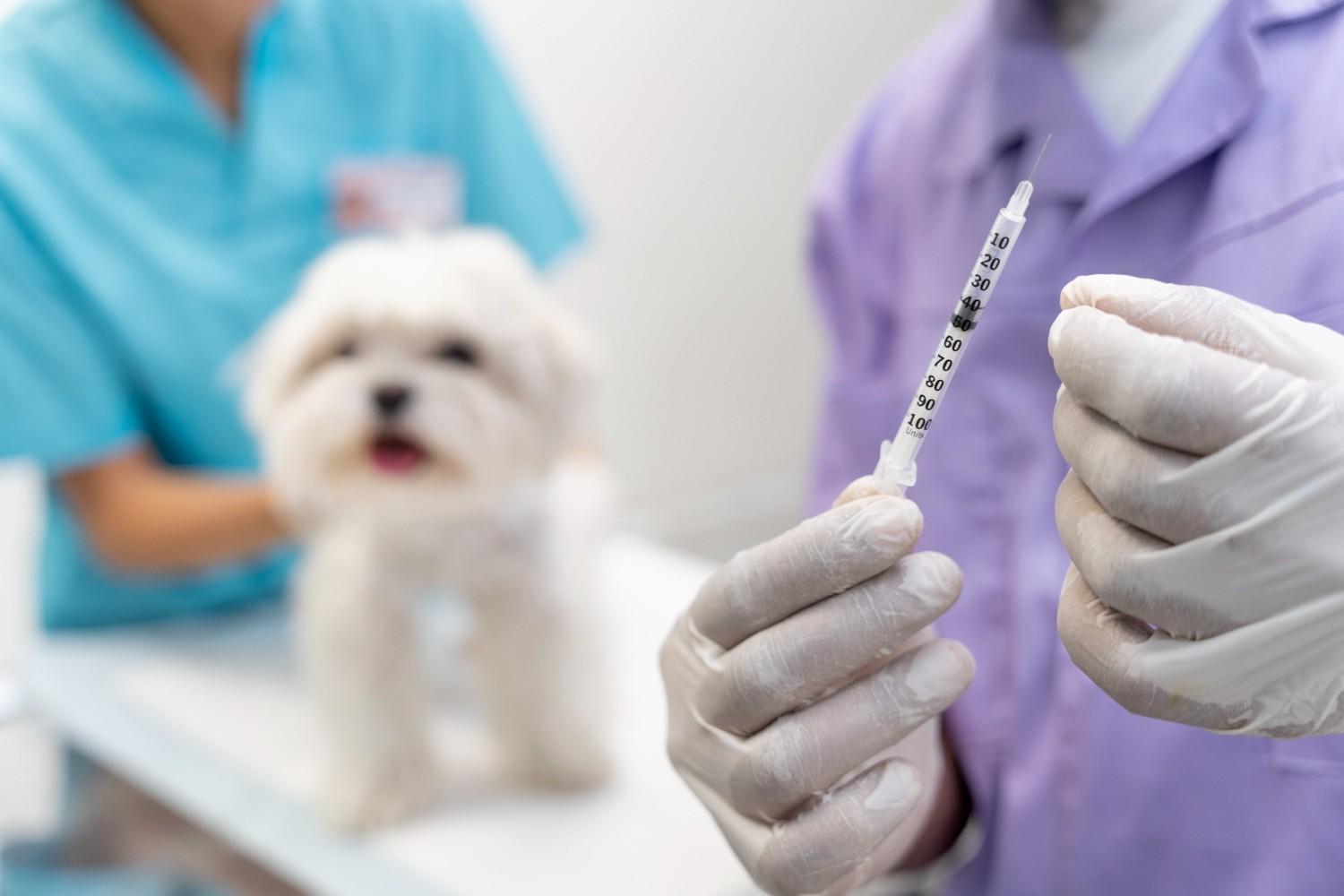
Every year, thousands of dogs die from diseases that are entirely preventable. The culprits? Distemper. Hepatitis. Parvovirus. Parainfluenza. The good news: a single vaccine tackles all four of them. The DHPP vaccine for dogs is one of the most critical tools in your pet-care arsenal and yet, many dog owners aren’t entirely sure what it does, when to give it, or what to expect afterward.
This guide will give you a full, science-based look at the DHPP vaccine. It will tell you what’s in it, why each disease is important, the best vaccination schedule from puppyhood to adulthood, possible side effects, and honest answers to questions you may already be looking up online.
Table of Contents
What Does DHPP Stand For?
DHPP is an acronym for four serious canine diseases bundled into one combination vaccine:
| Letter | Disease | Caused By | Severity |
| D | Distemper | Paramyxovirus | High |
| H | Hepatitis (Adenovirus) | Canine Adenovirus Type 1 | High |
| P | Parvovirus | Canine Parvovirus (CPV-2) | Very High |
| P | Parainfluenza | Parainfluenza Virus | Moderate |
You may also see this vaccine labeled as DA2PP or DA2PPC depending on the manufacturer the “A2” refers to Adenovirus Type 2 (used in place of Type 1 to avoid eye complications), and the “C” sometimes indicates protection against coronavirus. They’re closely related formulas, all protecting your dog from the same core threats.
Did you Know?

The American Animal Hospital Association (AAHA) classifies DHPP as a "core vaccine" meaning it's recommended for every single dog, regardless of lifestyle or geographic location. It's not optional. It's foundational.
Why Is Each Disease in the DHPP Vaccine So Dangerous?
Distemper – The Neurological Nightmare
Canine distemper is what happens when a virus attacks your dog’s respiratory system, digestive tract, and most frighteningly the brain. Think of it as measles, but for dogs and far more aggressive. Unvaccinated dogs can develop seizures, paralysis, and permanent nervous system damage. The fatality rate in puppies can exceed 50%. There is no cure; only supportive care.
Hepatitis (Adenovirus Type 1) – The Silent Liver Attack
Infectious canine hepatitis sounds like a medical term, but the truth is very sad. The virus gets into the body through the eyes, nose, or mouth and attacks the liver, kidneys, and walls of blood vessels. In just 24 hours, a dog can go from being healthy to being very sick. “Blue eye” is a telltale sign of the damage left behind. It looks like a bluish cloudiness in the eyes of survivors.
Parvovirus – The Fastest Killer
If you’ve ever heard a vet speak about parvo with a grave expression, now you know why. Canine parvovirus destroys the lining of a dog’s intestines, causing profuse bloody diarrhea, severe vomiting, and rapid dehydration. In young, unvaccinated puppies, it can kill within 48 to 72 hours. The virus also survives in soil for up to a year making it nearly impossible to avoid without vaccination. Mortality rates without treatment hover around 91%.
Parainfluenza – The Kennel Cough Contributor
Parainfluenza is the least serious of the four, but that doesn’t mean you should ignore it. It is a major cause of kennel cough (infectious tracheobronchitis), a cough that sounds like a dog hacking and honking that spreads quickly in dog parks, boarding facilities, and shelters. It makes the lungs weaker and can lead to secondary bacterial infections.
Expert Tip

Parvovirus is so environmentally hardy that bleach is one of the only household disinfectants strong enough to kill it. If an unvaccinated dog enters an area where an infected dog has been, the risk of transmission is very real even weeks later.
What Is the Recommended DHPP Vaccination Schedule for Dogs?
The timing of the puppy vaccination schedule is very important. Maternal antibodies in a mother’s milk give newborn puppies temporary protection. However, these antibodies usually wear off between the ages of 6 and 16 weeks. Puppies are very vulnerable during this time. The DHPP series is meant to fill that gap.
| 6–8 Weeks | First DHPP dose – begin the series |
| 10–12 Weeks | Second DHPP dose – booster #1 |
| 14–16 Weeks | Third DHPP dose – critical booster |
| 12–16 Months | First adult booster |
| Every 1–3 Years | Ongoing adult boosters per vet guidance |
Why so many doses at first? Because antibodies from the mother can make vaccines less effective. Mom’s antibodies might still be in the puppy’s blood, which could stop a single early shot. Giving multiple doses makes sure that at least one of them “takes” after the mother’s antibodies have left the body.
For adult dogs with unknown vaccination history, most vets recommend a series of two DHPP shots given 3 to 4 weeks apart, followed by regular boosters.
Expert Tip

Don't let your puppy socialize freely at parks or sniff around public spaces until at least 7–10 days after their final puppy series shot. Their immune protection isn't fully activated until then and parvovirus doesn't care how adorable your pup is.
What Are the Common Side Effects of the DHPP Vaccine for Dogs?
Like any other medical treatment, the DHPP vaccine can have side effects. Most of the time, these side effects aren’t too bad and go away quickly. It’s like getting a flu shot: it might hurt a little and make you tired, but you’ll be fine after that. This is how to tell the difference between normal and bad.
Normal (Expected)
- Mild lethargy (12–24 hrs)
- Soreness at injection site
- Reduced appetite
- Low-grade fever
- Slight swelling at site
Watch for These
- Facial swelling / hives
- Vomiting or diarrhea
- Difficulty breathing
- Collapse or extreme weakness
- Persistent swelling after 3 weeks
Severe allergic reactions (anaphylaxis) are rare estimated at less than 1 in 10,000 vaccinations but they require immediate veterinary attention. If your dog develops hives, facial puffiness, or difficulty breathing within an hour of the shot, head straight to the vet or emergency clinic. Don’t wait to see if it resolves on its own.
For dogs with a history of vaccine reactions, your vet may pre-treat with an antihistamine or split the vaccines across separate visits to minimize the immune system load.
How Much Does the DHPP Vaccine for Dogs Cost?
Cost is a real concern for a lot of pet owners, and being open about it is important. In the US, a private veterinary clinic usually charges between $20 and $50 for each dose of the DHPP vaccine. Some low-cost clinics, pet stores, or humane societies will give you the vaccine for as little as $10 to $15.
- Private vet clinic: $20–$50 per dose
- Low-cost vaccination clinics: $10–$20 per dose
- Full puppy series (3 doses): $60–$150 total
- Annual or triennial adult booster: $20–$50
The cost of vaccination is incomparably lower than the cost of treating parvovirus (which can run $1,500–$4,000 in hospitalization) or distemper. Vaccination isn’t just a health decision, it’s a financial one too.
Did you know

Many pet insurance plans don't cover routine vaccinations, but some wellness add-ons do. If you're a new pet owner, check whether a wellness plan makes sense alongside standard accident and illness coverage.
DHPP vs. DHLPP: What’s the Difference?
You might come across the term DHLPP at your vet’s office and wonder if you’ve been getting the wrong thing. You haven’t. DHLPP simply adds Leptospirosis to the standard DHPP combination. Lepto is a bacterial disease spread through infected water (often contaminated by wildlife urine) that attacks the kidneys and liver and can actually be transmitted to humans too.
Your dog’s lifestyle will determine if it needs the Lepto part. Dogs that live in rural areas, near lakes, or around a lot of wildlife are more likely to be good candidates. You can ask your vet for help deciding. You can think of DHPP as the basic level that everyone should have, and Lepto as an extra that only some people need.
Can an Older Dog or Senior Dog Still Get the DHPP Vaccine?
Yes, age does not disqualify someone. Senior dogs can and should keep getting core vaccine boosters unless there is a specific medical reason not to. Some very old or sick dogs may benefit from titer testing, which is a blood test that checks existing antibody levels to see if a booster is really needed instead of just giving them a shot.
Titer testing is not a replacement for vaccination in most cases, but it’s a thoughtful tool for dogs with vaccine sensitivities or chronic illness. Always discuss this option with your vet if you have concerns about your senior dog’s health.
The Bottom Line on the DHPP Vaccine for Dogs
The DHPP vaccine for dogs is not a luxury or something that needs to be done. It protects against four diseases that can kill in days, cause permanent brain damage, or spread quietly through the environment for months. The science is clear, the safety record is great, and the cost is low compared to the other option.
Staying on schedule is one of the best things you can do for a long, healthy life together, whether you have a new puppy starting their series or an adult dog that needs a booster. You can feel better knowing that you’ve given your dog the protection they need by talking to your vet and keeping your records up to date.
FAQs
Most of the time, DHPP is not required by law (unlike rabies, which is required by law in most US states and many other countries). But a lot of dog parks, boarding facilities, groomers, and training classes won’t let your dog in unless you can show that it has had its DHPP shot. In practice, it’s a requirement for most dog activities.
After the initial puppy series, the first adult booster is given at 12–16 months. After that, most dogs can move to a triennial (every 3 years) schedule for DHPP boosters, as research shows immunity lasts at least 3 years in most dogs. Some vets still recommend annual boosters discuss the evidence-based approach with your specific vet, as individual dog factors can influence this decision.
Don’t panic but do act quickly. Missing a dose doesn’t mean you start over from scratch. Your vet will assess how long it’s been and determine whether to continue the series or administer a catch-up dose. What you want to avoid is letting a gap in protection extend during the high-risk puppy window (6–16 weeks), so contact your vet as soon as you realize a dose was missed.
For puppies: It’s usually fine for them to play outside in their own yard, but they should stay away from places where dogs are likely to get hurt (like dog parks, pet stores, and trails where wildlife roam) for 7 to 10 days after their last puppy series shot. For adult dogs getting boosters, they can still go outside and play, but it’s a good idea to keep their activity level low for the rest of vaccination day because they may feel a little tired.
No. DHPP uses parts of viruses that have been modified to be live or killed, not live, fully active pathogens. It can’t give your dog parainfluenza, hepatitis, distemper, or parvovirus. Some dogs have mild symptoms like lethargy and a low-grade fever. This is a sign that the vaccine is doing what it’s supposed to do by training the immune system.