
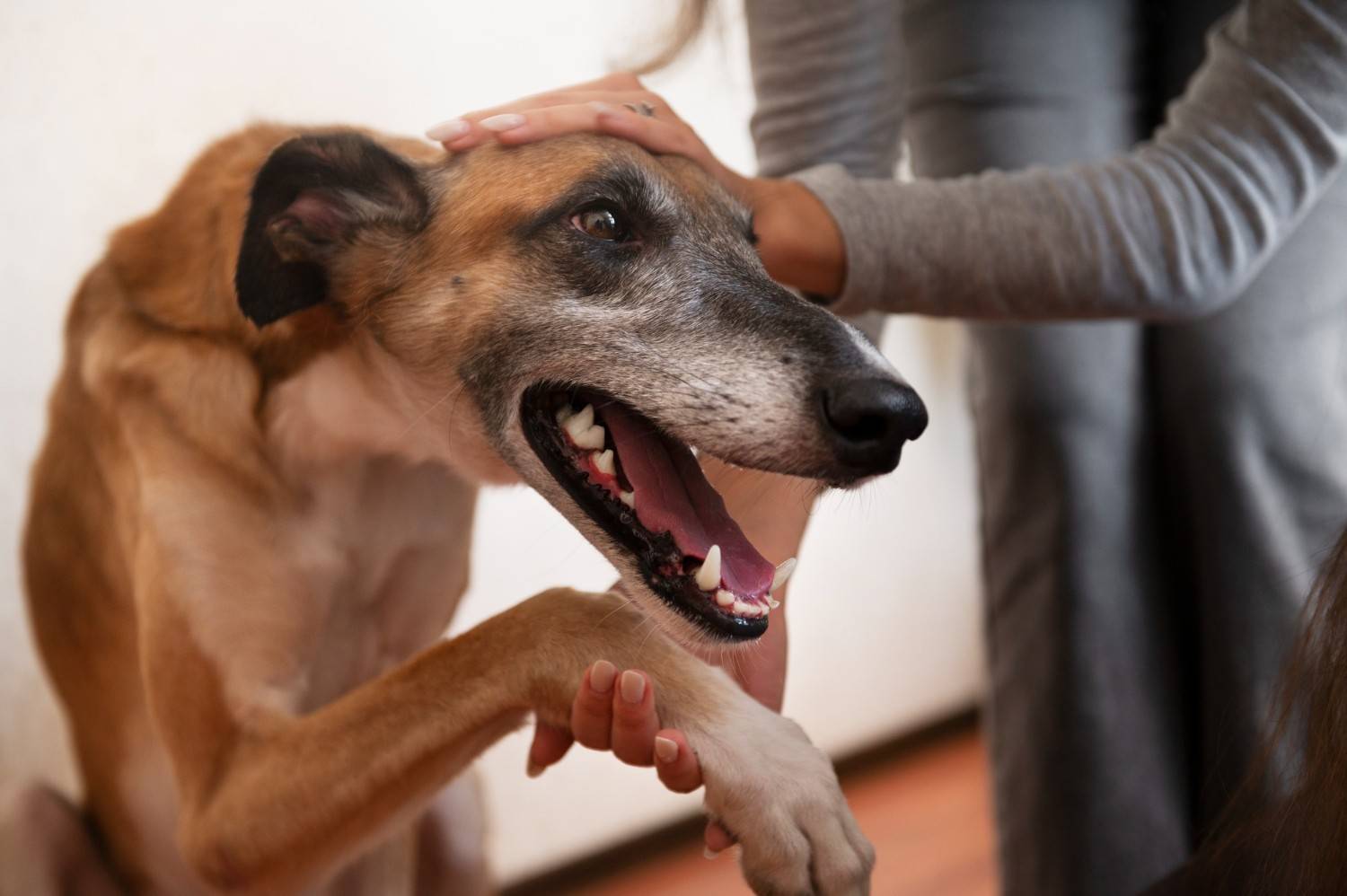
You lean in for a cuddle, and it hits you like a wall. That “dog breath” smell isn’t just gross; sometimes it’s your dog’s body trying to tell you something.
If you’ve ever wondered why your furry best friend’s kisses smell like a garbage truck, you’re not alone. Bad breath in dogs, medically known as halitosis, affects millions of pups worldwide. And while a little doggy odor is normal, persistent foul breath usually points to something deeper.
In this guide, you’ll learn exactly what causes dog bad breath, when it’s a sign of a real health problem, and how to fix it starting today. Whether you’re a first-time pet parent or a vet student brushing up on canine oral health, this breakdown has you covered.
Table of Contents
Why Does My Dog Have Bad Breath?
Think of your dog’s mouth like a tiny ecosystem. Bacteria, food particles, and saliva are constantly interacting in there. When that balance tips, odor follows.
Most cases of bad breath in dogs trace back to one root cause: dental disease. In fact, studies suggest over 80% of dogs show signs of periodontal disease by age three.
That’s a staggering number, and it means your dog’s stinky breath might actually be a mouth full of trouble.
Common Causes of Bad Breath In Dogs
Here are the usual suspects behind that unpleasant odor:
- Plaque and tartar buildup – bacteria harden into tartar, trapping odor-causing compounds
- Periodontal disease – infected gums release a distinctly foul smell
- Diet and food choices – some kibbles and treats leave residue behind
- Foreign objects stuck in teeth – sticks, bones, or toy fragments
- Digestive issues – acid reflux or gut problems can cause breath odor
- Kidney disease – can create an ammonia-like smell
- Diabetes – sometimes produces a sweet, fruity odor
Did you know?

A sudden change in your dog's breath smell, especially fruity, ammonia-like, or metallic, can indicate a serious internal issue and deserves an immediate vet visit, not just a toothbrush.
Is Bad Breath in Dogs Normal or a Red Flag?
Here’s the honest truth: some doggy breath is normal. Dogs aren’t exactly known for minty-fresh mouths.
But there’s a difference between “typical dog smell” and “something’s wrong” smell. Knowing the difference protects your dog’s health.
Signs Your Dog’s Bad Breath Is a Health Problem
Watch for these warning signs with the smell:
- Yellow or brown plaque build-up on teeth
- Bleeding, red, or swollen gums
- Excess saliva
- Dropping food or difficulty chewing
- Loose or missing teeth
- Pawing at the mouth or face
If you spot two or more of these alongside canine halitosis, it’s time to book a vet appointment. This isn’t just about fresh breath; untreated dental disease can lead to infections that affect the heart, liver, and kidneys.
How Does Dog Dental Health Affect Overall Wellness?
Here’s an analogy that helps this click: imagine never brushing your teeth for three years straight. Painful, right? Now imagine that bacteria don’t stay in your mouth, it enters your bloodstream.
That’s essentially what happens with untreated periodontal disease in dogs. Bacteria from infected gums can travel through the bloodstream and settle in major organs, causing serious systemic issues over time.
This connection between oral hygiene for dogs and whole-body health is why vets take bad breath seriously; it’s rarely “just” a smell problem.
Expert Tip

Schedule a professional dental cleaning at least once a year, even if your dog's breath seems fine. Early-stage gum disease often has zero visible symptoms.
How Can You Get Rid of Bad Breath in Dogs?
Good news: most causes of bad breath in dogs are completely manageable at home, especially when caught early.
1. Brush Your Dog’s Teeth Regularly
Yes, really. Aim for at least 3–4 times a week using dog-specific toothpaste (never human toothpaste it’s toxic to dogs).
2. Offer Dental Chews and Toys
Dental chews mechanically scrape away plaque while your dog gnaws happily. Look for products with the Veterinary Oral Health Council (VOHC) seal of approval.
3. Add Water Additives or Dental Rinses
These vet-approved liquids reduce bacteria in your dog’s mouth without any brushing required, great for stubborn pups.
4. Provide a Breath-Friendly Diet
Some dry kibbles are made with an abrasive texture to help control tartar development.
5. Arrange for Professional Cleanings
No home remedy can do this properly. Vet dental cleaning removes tartar below the gumline.
6. Rule out underlying medical conditions
If home care isn’t helping, ask your vet to do some bloodwork to check for diabetes, kidney disease or liver problems.
What Home Remedies Actually Work for Dog Breath?
Pet owners often ask about natural fixes. Some genuinely help; others are more myth than magic.
Things that can help:
- Fresh parsley (in small amounts) as a natural breath freshener
- Coconut oil, which has mild antibacterial properties
- Plain, unsweetened yogurt (in moderation) for gut health
Things to avoid:
- Mouthwash made for humans (often toxic to dogs)
- Excessive garlic or onion “remedies” are actually poisonous to dogs
- Breath sprays without vet approval
Did You Know?

Garlic and onions, sometimes suggested online as breath fixes, can cause toxic anemia in dogs. Always research pet safety before trying human remedies.
Final Thoughts
Bad breath in dogs isn’t something to simply mask with a mint or ignore altogether. It’s often your dog’s way of signaling an oral health issue or sometimes something bigger happening internally.
By brushing regularly, choosing the right dental products, and scheduling routine vet visits, you can keep your dog’s breath fresh and their health protected for years to come.
Noticed something off about your dog’s breath lately? Book a vet checkup this week, and share this guide with fellow pet parents who might need it too.
FAQs
Sudden changes usually point to dental disease, an object stuck in the teeth, or a digestive/organ issue. If it’s abrupt and severe, see your vet.
Yes. Persistent halitosis can indicate periodontal disease, kidney disease, diabetes, or liver problems, especially if paired with other symptoms.
Vets recommend brushing 3–4 times per week minimum, though daily brushing offers the best results.
Dental chews help reduce plaque but work best alongside brushing and regular vet checkups, not as a standalone solution.
Mild puppy breath during teething is common, but persistent foul odor still warrants a vet check to rule out infection.