
Your dog’s favorite treat might be doing more harm than good. That bag of brightly colored, suspiciously chewy snacks in your pantry? It’s probably packed with preservatives your dog’s body was never built to process.
Here’s the good news: there’s a simpler, more natural option sitting right on the shelf next to it, and your dog will probably like it even more.
Dehydrated dog treats have quietly become one of the most trusted choices among pet owners who want real nutrition without mystery ingredients. In this guide, you’ll learn exactly what makes them different, how they’re made, which ones to choose, and how to avoid the few pitfalls that trip up first-time buyers.
Whether you’re a busy pet parent or a student raising your first dog on a budget, this guide will help you make a smarter, healthier choice without needing a chemistry degree to read the label.
Table of Contents
What Are Dehydrated Dog Treats, Exactly?
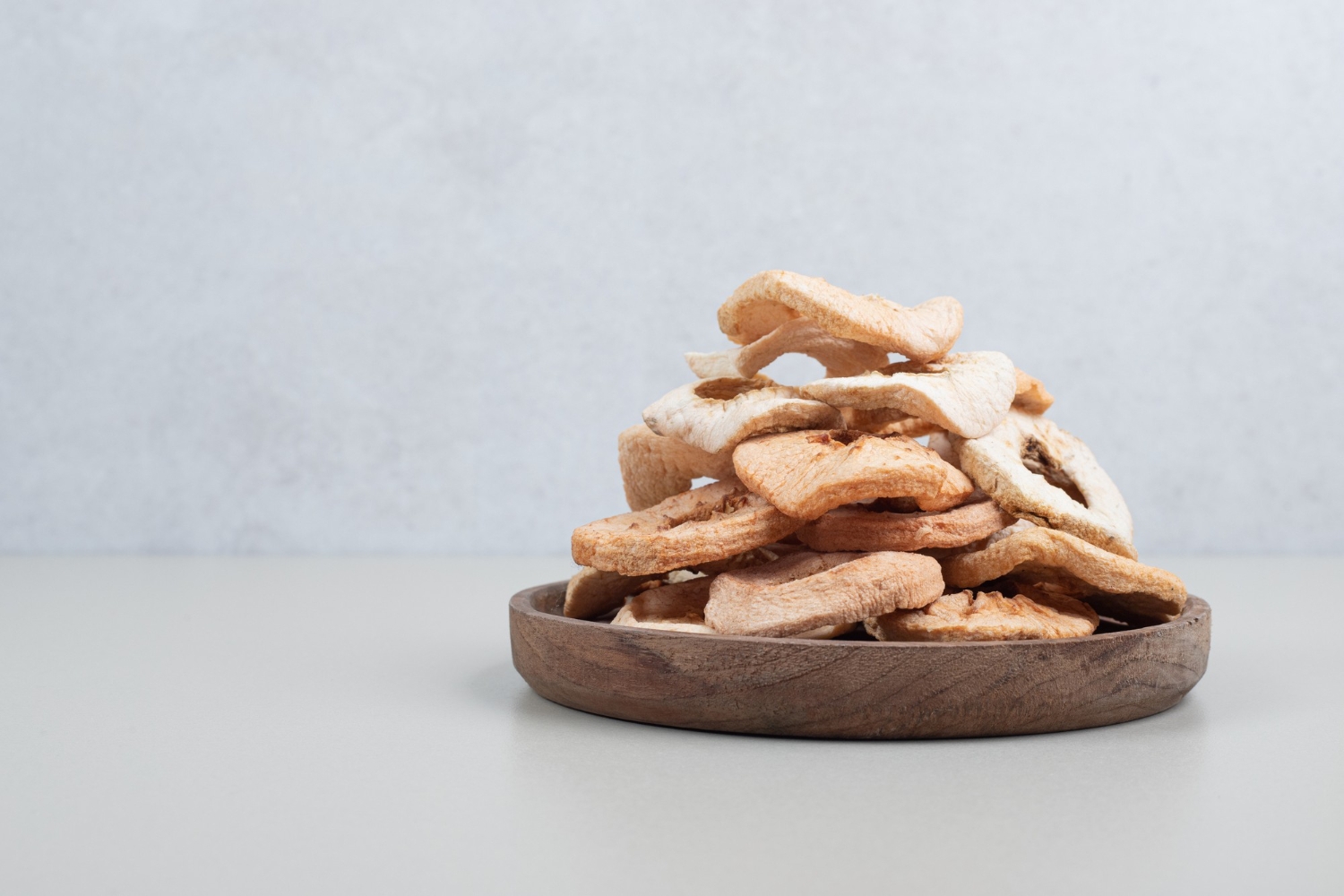
Dehydrated dog treats are based on a simple process that is thousands of years old: drying raw ingredients at a low temperature to remove the water. Imagine sun-dried tomatoes, but made with chicken breast, sweet potato or beef liver.
Usually, the process involves:
- Cutting raw meat, fish or vegetables into strips or chunks
- Drying them at low temperatures (generally 130-160oF) for several hours
- 90-95% of the water content is removed
That’s all. No filler, no artificial flavoring, no mystery meat byproducts. Just real food without the water.
Did you Know?

Dehydration was one of humanity's earliest food preservation methods, used over 12,000 years ago. Your dog's dehydrated liver treat is essentially using the same science your ancestors used to preserve meat for winter.
Why Are Dehydrated Dog Treats So Popular Right Now?
Pet owners are getting pickier and for good reason. Studies on pet food quality have pushed people toward simpler, minimally processed options for their dogs, the same way many humans have shifted toward whole foods for themselves.
Here’s what’s driving the shift:
1. They Preserve More Nutrients Than Cooking
High-heat cooking (like baking or extruding, which is how kibble is made) destroys a chunk of the natural vitamins and enzymes in meat. Dehydration uses low, steady heat, which means more of the original nutritional value survives the process.
2. They Have a Longer Shelf Life Without Chemical Preservatives
Bacteria and mold need moisture to grow. Strip out the water, and you strip out their ability to survive. That’s why dehydrated dog treats can last months in a sealed container without needing artificial preservatives like BHA or BHT.
3. They’re Easier on Sensitive Stomachs
Because the ingredient list is often just one item, say, dehydrated chicken breast, these treats are a go-to for dogs with allergies or sensitive digestion. Fewer ingredients mean fewer chances for an adverse reaction.
4. They’re Great for Training
Small, light, and intensely flavorful, dehydrated treats break apart easily into pea-sized training rewards. Your dog gets a big flavor payoff without you overloading them on calories during a 20-minute training session.
Dehydrated vs. Freeze-Dried Dog Treats: What’s the Real Difference?
This is one of the most searched comparisons in the pet world, and it trips up even experienced owners.
| Feature | Dehydrated | Freeze-Dried |
| Process | Low, slow heat | Flash-frozen, then vacuum-dried |
| Texture | Chewy, leathery | Light, crunchy, almost airy |
| Nutrient retention | High | Slightly higher |
| Shelf life | Several months | Often 1–2 years |
| Price | More affordable | Typically pricier |
Both are excellent choices. If your dog is an aggressive chewer who loves to work for a treat, dehydrated wins. If you want something that dissolves fast for senior dogs or picky eaters, freeze-dried might be the better fit.
Expert Tip

If your dog has weak or missing teeth, freeze-dried treats are gentler. For dogs that love a good, satisfying chew, dehydrated treats offer more bang for your buck.
Are Dehydrated Dog Treats Actually Safe?
Generally, yes, but not all dehydrated treats are created equal. Here’s what to watch for.
Look Out For:
- Rawhide-style dehydrated chews that can be a choking hazard for aggressive chewers
- Added salt or sugar, which some lower-quality brands sneak in for flavor
- Sourcing transparency: treats made overseas have occasionally been linked to contamination issues, so look for a “Made in USA” or equivalent trusted-origin label.
What Makes a Treat High Quality:
- Single-ingredient or short ingredient list
- No added sugar, salt, or artificial color
- Clear sourcing information on the label
- Appropriate size for your dog’s breed and chewing style
If a treat looks too colorful to be natural, it probably isn’t. Real dehydrated chicken doesn’t glow orange.
How Do You Choose the Best Dehydrated Dog Treats for Your Dog?
Not every dog needs the same treat. Here’s a quick way to match the treat to the dog.
- Puppies: Go softer and smaller dehydrated sweet potato slices are gentle and easy to chew.
- Senior dogs: Choose treats that soften slightly when they absorb saliva, easing pressure on aging teeth.
- Active or working dogs: High-protein options like dehydrated beef lung or liver support muscle recovery.
- Dogs with allergies: Single-protein treats (just one meat, nothing else) reduce the risk of flare-ups.
- Students on a budget: Buying treats in bulk or making your own at home (more on that below) stretches your money further without cutting corners on quality.
Can You Make Dehydrated Dog Treats at Home?
Absolutely, and it’s easier than most people expect. If you already own an oven or a basic dehydrator, you’re most of the way there.
Simple Homemade Dehydrated Chicken Strips:
- Slice raw, skinless chicken breast into thin strips.
- Lay strips flat on a lined baking sheet or dehydrator tray.
- Dry at 160°F (or your dehydrator’s meat setting) for 4–6 hours, flipping halfway.
- Check for a firm, leathery texture; no moisture should remain.
- Cool completely before storing in an airtight container.
Homemade treats let you control every ingredient, which is especially useful for dogs with food sensitivities. They also tend to cost significantly less than store-bought bags over time.
Did you know?

A dehydrator set to a low, consistent temperature can process a full tray of chicken strips for under the cost of a single premium store-bought bag, making homemade batches a smart choice for budget-conscious pet owners.
How Should You Store Dehydrated Dog Treats?
Treats go bad early because of improper storage. Follow these basics :
- Keep in a sealed container, out of direct sunlight.
- Store in a cool, dry pantry, away from humidity (such as near the sink)
- Homemade batches should be refrigerated or frozen if not used within 2–3 weeks
- Always check for a musty smell or visible mold before giving one to your dog
Final Thoughts
Dehydrated dog treats hit the sweet spot that’s hard to beat: real ingredients, long shelf life and a taste dogs really love. Whether you buy a trusted brand or dehydrate a batch yourself on a Sunday afternoon, you’re giving your dog something closer to what nature intended, not a lab-formulated snack loaded with fillers.
Next time you’re standing in the pet food aisle, flip the bag over and read the ingredients. If it looks like something you’d recognize in your own kitchen, you’re on the right track.
Got a favorite dehydrated treat recipe or brand? Share it in the comments, or pass this guide along to a fellow dog owner who’s ready to make the switch.
FAQs
Generally, yes. Dehydrated dog treats tend to have fewer additives, retain more natural nutrients, and offer a simpler ingredient list compared to many mass-produced, heavily processed treats.
Store-bought dehydrated treats typically last 6–12 months unopened. Homemade versions usually last 2–3 weeks at room temperature or several months if frozen.
Yes, in moderation. Treats, dehydrated or otherwise, should make up no more than 10% of your dog’s daily calorie intake to keep their diet balanced.
Most are, as long as the size and texture match your puppy’s chewing ability. Choose smaller, softer options and avoid anything overly tough until their adult teeth come in.
Single-ingredient options like dehydrated chicken breast, sweet potato, or beef liver are widely considered the healthiest, since they contain no fillers, salt, or artificial additives.