
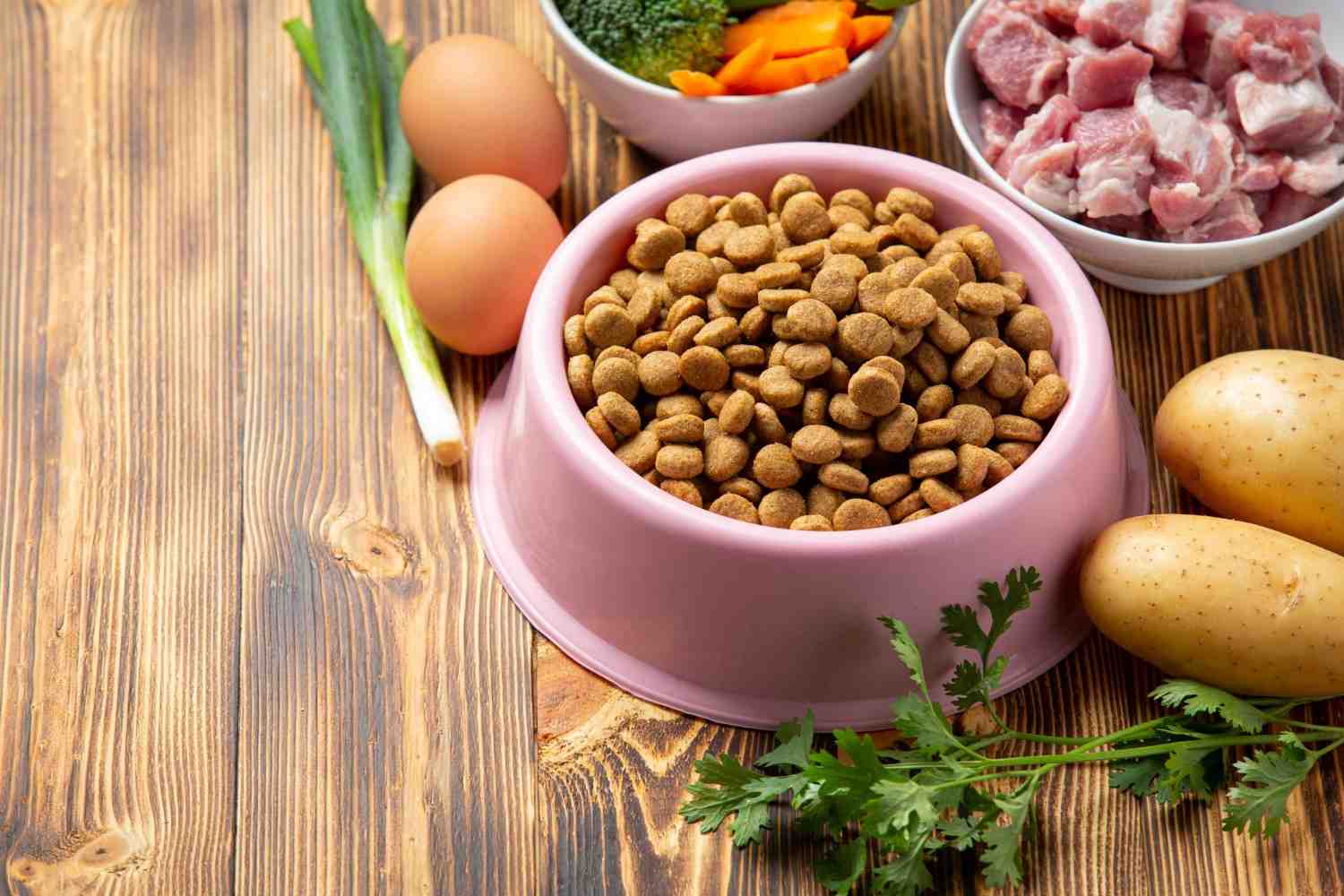
Your dog just finished dinner and immediately started begging for more. Sound familiar?
Before you assume your pup is just being dramatic, consider this: most commercial dog foods contain as little as 18–22% protein. For an animal whose ancestors survived by hunting prey, that’s like surviving on crackers and hoping for the best.
High-protein dog foods are really taking off, and for good reason. In this guide, you will learn what protein does for your dog, how to choose the best high-protein dog food, which breeds benefit the most, and our 7 best picks backed by science and real-world results. Whether you’re a devoted pet parent or a vet student brushing up on canine nutrition, you’re in the right place.
Table of Contents
Why Does Protein Actually Matter for Dogs?
Think of protein as the construction crew inside your dog’s body. Every muscle fiber, every enzyme, every hormone protein builds and maintains them all.
Dogs use amino acids from dietary protein to:
- Build and repair muscle tissue
- Support a healthy immune system
- Produce hormones and digestive enzymes
- Maintain a glossy, thick coat and healthy skin
- Fuel sustained energy (especially in working or active breeds)
The Association of American Feed Control Officials (AAFCO) sets the minimum protein requirement for adult dogs at 18% on a dry matter basis. But “minimum” isn’t “optimal.” A truly thriving dog, especially an active one, often does better in the 28–35% range.
Expert Insight

Protein quality is just as important as quantity. That food is 40 % protein. But if that protein is feathers or hooves, it is useless. Always check that the first 1 or 2 ingredients are a named animal protein like “chicken,” “salmon,” or “beef,” not “meat meal” or “animal by-products.”
What Makes a Dog Food “High Protein”?
There’s no universal legal definition, but most nutritionists consider a dog food “high-protein” when it contains 30% or more protein on a dry matter basis (DM basis). That’s the number you get after removing all moisture from the food, which makes it the fairest way to compare wet and dry options.
Here’s a quick formula to calculate it:
Dry Matter Protein % = (Crude Protein ÷ (100 – Moisture %)) × 100
So if a food label says 25% protein and 10% moisture, the actual DM protein is about 27.8%. Not as impressive as the bag claims, right?
High meat content dog food earns its label by relying on real animal ingredients chicken, turkey, salmon, lamb, venison rather than padding with corn, soy, or wheat fillers.
Which Dogs Benefit Most from High Protein Dog Foods?
Not every dog needs a steak diet. But some dogs really thrive on high- protein dog food.
Some great candidates are:
- Active working dogs like Border Collies, Huskies, German Shepherds, and Retrievers burn calories fast and need protein to help with muscle recovery.
- Puppies – Growing bodies need AAFCO puppy-formulated food with at least 22.5% protein (DM) to support rapid development.
- Underweight or recovering dogs – Protein is critical for rebuilding lean mass after illness or surgery.
- Senior dogs with muscle loss – Contrary to outdated advice, healthy senior dogs without kidney disease often benefit from higher protein, not lower.
- High-energy breeds – Malinois, Weimaraners, Dalmatians: they need more fuel.
Who should be treated with caution: Some dogs with diagnosed kidney disease or some liver conditions may require protein restriction. In these cases, always check with your vet before changing to a high-protein diet.
Expert Tip

Dog food for muscle growth isn't just for bodybuilder breeds. Even your average Labrador can see improved coat quality, better muscle tone, and more sustained energy on a high-protein diet as long as calorie intake is balanced.
How to Read a Dog Food Label Like a Nutritionist
This is where most pet owners go wrong. The front of the bag is marketing. The back panel is the truth.
What to look for:
- Named protein source in the #1 spot – “Deboned chicken” beats “chicken meal,” which beats “poultry by-product.”
- Protein percentage on DM basis – Calculate it (formula above) or look for brands that list it directly.
- AAFCO nutritional adequacy statement – Confirms the food meets standards for your dog’s life stage.
- Short, recognizable ingredient list – The fewer the fillers, the better.
- No vague “meat” listings – “Meat” with no species specified is a red flag.
Ingredients to approach cautiously:
- Corn syrup or sugar (unnecessary in dog food)
- Artificial preservatives like BHA, BHT, and ethoxyquin
- Generic “animal fat” with no source listed
- Excessive carbohydrate fillers as the first few ingredients
7 Best High-Protein Dog Foods in 2025
These selections are evaluated for quality of protein source, DM protein percentage, ingredient transparency, palatability, and value for money.
1. Protein in Orijen Original Dry Dog Food:
~38% DM | Primary Source: Free-run chicken, turkey, wild-caught fish
Orijen sets the gold standard for high-meat-content dog food. Made with 85% quality animal ingredients and 15% fruits, vegetables, and botanicals zero grains, zero potato fillers. It mirrors a dog’s ancestral diet better than almost any other commercial food.
Best for: Active adult dogs, working breeds, owners who want biologically appropriate nutrition.
2. Acana Regionals Wild Atlantic
Protein: ~33% DM | Main Source: Herring, mackerel, flounder, hake
A great grain-free, high-protein dog food for dogs with sensitivities to chicken or red meat. Rich in Omega-3 fatty acids to help support brain function, coat health, and joint lubrication. If your dog’s coat is dull, this one is worth a serious look.
Best For: Dogs with protein allergies, senior dogs with joint support, those on coastal diets.
3. Taste of the Wild High Prairie
Protein: ~32% DM | Contains: Buffalo, bison, venison
One of the most popular grain-free options on the market for good reason. Novel proteins such as bison and venison are ideal for dogs with sensitivities to the common proteins such as chicken or beef. It’s also surprisingly inexpensive for the quality it offers.
Best for: Sensitive stomachs, budget-conscious owners, dogs that need novel proteins.
4. Backcountry, Merrick Infused Raw
Protein: ~38% DM. Main ingredient: Deboned beef, lamb, rabbit + freeze- dried raw pieces
This one bridges the gap between kibble and raw. The freeze-dried raw pieces contain digestive enzymes and live cultures that are not present in typical dry food. This combination is hard to beat for dog food that promotes muscle growth.
Best for: Transitioning dogs from a raw food diet, performance dogs, finicky eaters who desire a variety of textures.
5. Rocky Mountain Blue Buffalo Wilderness
Protein: ~30% DM | Main Source: Deboned beef, venison
A best-selling high-protein dog food that is popular and that you can find in most pet stores. No corn, wheat or soy. Enhanced with Blue’s proprietary LifeSource® Antioxidant-rich kibble to support immune health and oxidative balance. Best for: Mainstream buyers looking for quality without ordering online, dogs new to high-protein diets.
6. Instinct Raw Boost Mixers
Protein: ~42% DM (topper) | Source: Cage-free chicken
This is not a meal by itself, but a protein-packed topper for dog food that you add to any base of kibble. Freeze-dried Raw Nuggets add incredible protein density. If your current kibble is good but low in protein, this is the easiest upgrade you will ever make.
Best for: Owners feeding multiple dogs different base foods, owners who want the benefits of raw without feeding a full raw diet.
Is Grain-Free High-Protein Dog Food Always Better?
This is one of the most googled questions in dog nutrition, and the answer isn’t a simple yes.
Grain-free high-protein dog food removes ingredients like wheat, corn, and rice. For dogs with genuine grain sensitivities or allergies, it’s a meaningful improvement. But “grain-free” doesn’t automatically mean better.
In 2018, the FDA began investigating a potential link between grain-free diets and dilated cardiomyopathy (DCM) in dogs, a serious heart condition. The research is still evolving and not fully conclusive, but many veterinary cardiologists now recommend caution, especially with diets heavy in peas, lentils, and legumes as substitutes for grains.
The takeaway: If your dog is thriving on a grain-inclusive high-protein diet, there’s no nutritional reason to switch. If they have genuine sensitivities, grain-free with diverse protein sources is worth exploring and always worth discussing with your vet.
Expert Insight

Grains like brown rice and oats aren't fillers; they're actually decent sources of fiber, B-vitamins, and sustained energy. The "grain-free = healthier" narrative was largely driven by marketing, not science.
How to Transition Your Dog to a High-Protein Diet
Switching foods abruptly is one of the fastest ways to end up with a miserable dog (and a messy carpet). Protein-rich dog food is more nutrient-dense, which means your dog’s digestive system needs time to adjust.
Follow this 7-day transition plan:
| Day | Old Food | New Food |
| 1–2 | 75% | 25% |
| 3–4 | 50% | 50% |
| 5–6 | 25% | 75% |
| 7 | 0% | 100% |
Watch for loose stools, vomiting, or unusual lethargy during the transition. A little gas or softer stools in the first few days is normal. Prolonged digestive upset means slow down or consult your vet.
Conclusion
Your dog can’t read the bag or advocate for themselves. That responsibility lands squarely on you, and now you have the knowledge to do it right.
High-protein dog foods fuel muscle, support immunity, maintain coat quality, and keep energy levels steady throughout the day. The best high-protein dog food for your dog depends on their age, breed, activity level, and any sensitivities they carry. But in nearly every case, upgrading from a filler-heavy kibble to a quality protein-rich dog food is one of the most impactful things you can do for your pet’s long-term health.
Start with a transition plan, watch how your dog responds, and remember: a thriving dog is the most honest review you’ll ever get.
Have questions about your specific breed or dog’s dietary needs? Drop them in the comments below; we read every single one.
FAQs
High-protein dog food benefits most healthy adult dogs, particularly active breeds. However, dogs with kidney disease, certain liver conditions, or specific metabolic disorders may need protein controlled. Always consult your vet before making a major dietary switch.
For adult dogs, AAFCO recommends 18% minimum Crude Protein, and for puppies, 22.5% Crude Protein on a dry matter basis. 28 – 35% + is often good for active or working dogs. The ideal intake for your dog will depend on age, weight, activity level, and health status.
In healthy dogs with functioning kidneys, excess protein is typically excreted safely through urine. The old belief that high protein damages kidneys in healthy dogs has been largely debunked. However, for dogs with pre-existing kidney disease, protein moderation is genuinely important.
The label will tell you the percentage of protein. The quality of a protein refers to the bioavailability and completeness of its amino acid profile. A salmon food with 28% protein may be nutritionally better than a mystery-meat food with 40% protein. Better quality: Named animal sources
Grain-free options help dogs allergic specifically to grains like wheat or corn. But the more common food allergens in dogs are actually animal proteins; chicken and beef top the list. An elimination diet trial, guided by a vet, is the most reliable way to identify your dog’s triggers.