
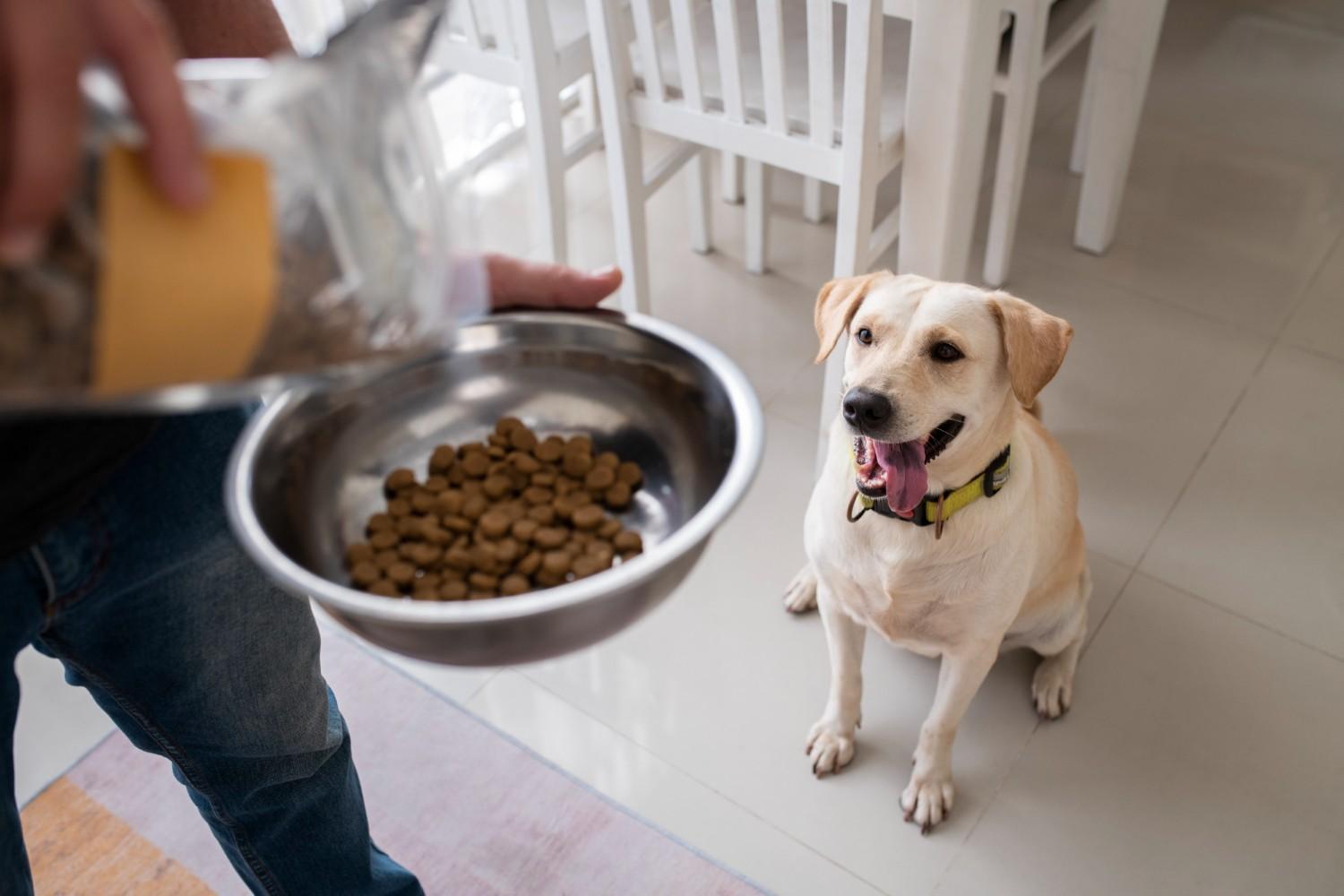
Not all dog food for seniors is created equal and with dozens of brands competing for shelf space, the wrong choice can quietly accelerate your aging dog’s decline. This guide cuts through the noise. Whether you’re searching for the best dog food for senior dogs with joint support, exploring high-protein dog food for seniors to preserve muscle mass, or simply trying to understand what makes a senior dog diet different from a regular adult formula, you’ll find clear, vet-backed answers here. Good senior dog nutrition starts with knowing what to look for and that’s exactly what we’re about to break down.
Here’s something that surprises most dog owners: a seven-year-old Labrador has the metabolic profile of a 44-year-old human. Their body is changing faster than you think and what’s in their food bowl needs to change with it.
The right dog food for older dogs can make a big difference. It can keep your dog from slowing down or make them run to the door when you grab the leash. This guide will teach you everything you need to know about the nutritional needs of older dogs, what to stay away from, how to read a label like a pro, and when to make the switch.
Whether you’re a lifelong dog owner or a veterinary student building your foundational knowledge, this is the guide your aging dog deserves.
It can be hard to choose the best dog food for seniors because the pet food aisle is full of choices, and not all of them are true to their labels. That’s why the first step is to figure out what your old dog really needs. When it comes to dog food for seniors, “natural” and “wholesome” are just marketing terms. It has ingredients that have been shown to help with aging joints, a slower metabolism, and a digestive system that isn’t working as well as it used to.
Table of Contents
When Does a Dog Become a “Senior”?
There’s no universal birthday. The age at which a dog enters their senior years depends heavily on breed size and this surprises a lot of people.
| Breed Size | Example Breeds | Senior Age | Stage |
| Small (<20 lbs) | Chihuahua, Pomeranian | 10–11 years | Early senior |
| Medium (20–50 lbs) | Beagle, Cocker Spaniel | 8–9 years | Senior |
| Large (50–90 lbs) | Golden Retriever, Lab | 7–8 years | Senior |
| Giant (>90 lbs) | Great Dane, Mastiff | 5–6 years | Senior earlier |
EXTRA TIP

Don't wait for visible signs of aging to switch foods. Proactive nutrition is far more powerful than reactive nutrition. I always tell my clients: transition to a senior diet before the gray muzzle shows up, not after.
Think of it this way: a Great Dane at age six is the physiological equivalent of a 60-year-old human. Their bones, kidneys, and metabolism are already in their golden years even if they still act like puppies.
How Does Senior Dog Nutrition Differ from Adult Dog Nutrition?
An aging dog’s body is running a different internal program. Here are the core biological shifts that make senior dog nutrition a whole different ballgame.
Slower metabolism – but not always fewer calories
Many people think that all older dogs need fewer calories. In fact, a lot of older dogs have trouble keeping their weight because they don’t absorb nutrients as well and lose muscle. Every dog’s caloric needs are different, so always check their body condition score, not just their age.
Muscle mass loss (sarcopenia)
Just like aging humans, dogs experience sarcopenia the gradual loss of muscle tissue. This is one reason high-protein dog food for seniors is so important. Protein isn’t just for building muscle in young athletes; it’s essential for maintaining it in older bodies.
Reduced kidney function
Aging kidneys become less efficient. This doesn’t mean you slash protein it means you prioritize high-quality, bioavailable protein sources (more on that below). Poor-quality protein puts more strain on the kidneys than good protein does.
Joint and mobility changes
The cartilage between joints begins to thin. Inflammation increases. This is where targeted nutrients like omega-3 fatty acids and glucosamine can do real, measurable work.
DID YOU KNOW

Studies in veterinary nutrition show that dogs over 7 years old have a 20% lower ability to digest protein than younger adults making the quality of protein sources even more critical than quantity.
What Nutrients Should Dog Food for Seniors Prioritize?
Not all nutrients are created equal for aging dogs. Here’s what to actively look for in your senior dog’s diet:
| Quality Protein | Preserves muscle mass. Look for real meat as the first ingredient. |
| Omega-3 Fatty Acids | Fish oil-derived EPA & DHA support joints, coat, and brain health. |
| Glucosamine & Chondroitin | Cartilage support. Essential for breeds prone to arthritis. |
| Antioxidants | Vitamins C & E, selenium. Fight cellular aging and immune decline. |
| Moisture Content | Senior dogs often drink less. Wet food or added moisture helps kidney health. |
| Fiber & Prebiotics | Digestive efficiency drops with age. Gut health support is key. |
WATCH OUT

Many "senior" labels are a marketing term, not a regulatory standard. The Association of American Feed Control Officials (AAFCO) has no specific nutritional profile for senior dogs. Always read the ingredient panel don't let the bag's label do the thinking for you.
What Ingredients Should You Avoid in Senior Dog Food?
Knowing what to avoid is just as critical as knowing what to look for in a senior dog diet.
- Unnamed meat meals – “meat meal” or “animal by-product meal” without specifying the animal species are low-quality, poorly digestible protein sources.
- Excessive sodium – Aging hearts and kidneys don’t handle salt well. Avoid foods with added sodium or high-sodium broths as primary ingredients.
- Artificial preservatives – BHA, BHT, and ethoxyquin are linked to organ stress over long-term exposure. Opt for foods preserved with mixed tocopherols (natural vitamin E).
- Corn syrup and added sugars – Contributing to obesity and diabetes, these have no place in a senior dog’s bowl.
- Excessive phosphorus – Dogs with declining kidney function need controlled phosphorus. This is especially important in dogs with diagnosed renal issues (always work with your vet here).
- Low-quality fillers – Ingredients like corn gluten meal and soy protein concentrate offer minimal bioavailable nutrition and can trigger digestive sensitivity in older dogs.
How Do You Choose the Best Dog Food for Aging Dogs?
The best dog food for aging dogs isn’t the one with the fanciest packaging or the highest price tag. It’s the one that matches your specific dog’s current health status. Here’s a practical framework for choosing wisely:
Step 1: Have a senior wellness panel done.
Get a full blood and urine panel done before you even look at dog food brands. This will show you the levels of BUN and creatinine in the kidneys, liver enzymes, and thyroid function, all of which affect nutritional needs.
Step 2: Assess body condition score (BCS)
Run your hands along your dog’s ribs. Can you feel them easily without pressing? Good that’s ideal. Can’t feel them at all? Your dog may be carrying extra weight and needs a lower-calorie formula. Spine and hip bones visually prominent? Your dog may need more calorie density.
Step 3: Check the source of the protein and the percentage.
You can’t change the first ingredient, which must be a named animal protein like chicken, salmon, beef, or turkey. For most healthy older dogs, the amount of crude protein should be between 25% and 30% on a dry matter basis.
Step 4: Think about the format: dry, wet, or fresh food?
- Dry kibble is easy to store, lasts a long time, and is good for your teeth. A good base option.
- Wet or canned food is great for senior kidney support and tastes good because it has a lot of moisture in it. A lot of older dogs with dental problems find it easier to eat.
- Fresh or cooked food is the easiest to digest and tastes the best, but it costs more. Great for older people who don’t have much of an appetite or whose digestion is getting worse.
- Raw diets need to be carefully planned and can be dangerous because of bacteria. Not a good idea for seniors with weak immune systems unless they get strict veterinary advice.
One thing most pet owners overlook when selecting dog food for seniors is palatability. Older dogs frequently experience a reduced sense of smell, which directly dampens their appetite. A nutritionally perfect formula means nothing if your dog walks away from the bowl. When comparing senior dog diet options, look for formulas with named animal fats like chicken fat or salmon oil these enhance aroma and make the food far more appealing to a dog whose senses have dulled with age. The best dog food for senior dogs strikes a balance between what your dog needs and what they’ll actually eat with enthusiasm.
EXTRA TIP

One of the best things seniors can do is mix wet and dry food. You get the dental and cost-saving benefits of kibble, as well as the hydration boost and taste of wet food. Even replacing 25% of the meal with a good canned formula makes a difference that can be seen.
How Much Should You Feed a Senior Dog?
This is where “it depends” becomes genuinely useful advice but let me give you specifics.
Most senior dogs do best with two meals per day rather than one large meal. This improves digestive efficiency, stabilizes blood sugar, and reduces the risk of bloat in large breeds. Portion size should be guided by:
- The feeding guidelines on the food label – Use these as your starting point, not your final answer.
- Your dog’s current weight vs. ideal weight – Feeding to maintain ideal weight, not current weight if your dog is overweight.
- Activity level – A senior dog doing daily 45-minute walks needs more than one who naps through most of the day.
- Health conditions – Dogs with hyperthyroidism may need significantly more calories; dogs post-surgery may need less.
Weigh your dog monthly and adjust accordingly. A kitchen scale and a quick monthly weigh-in is better than any feeding app on the market.
WATCH OUT

Obesity is the one disease that senior dogs can easily avoid. Extra weight makes joints break down faster, puts more strain on the heart, makes diabetes worse, and shortens life. Talk to your vet right away about a weight management plan if you can't easily feel your dog's ribs without putting pressure on them.
Should You Add Supplements to Your Senior Dog’s Diet?
Even the best dog food for seniors has limits on how much nutrition it can give them. Whole-food diets made for older dogs cover the basics, but some dogs need more than what a standard bag can provide for their arthritis, cognitive decline, or poor coat health. As the base, think of good food for older dogs. As the top layer, think of supplements. Together, they make a full plan for keeping your older dog comfortable, active, and mentally sharp for many years to come.
If your dog is on a complete and balanced diet meeting AAFCO standards, the honest answer is: maybe, and only targeted ones.
Supplements worth discussing with your vet for senior dogs:
- Fish oil (EPA & DHA) – One of the most evidence-backed supplements for senior dogs. Supports joint health, cognitive function, and coat quality.
- Probiotics – Aging guts have reduced microbial diversity. A canine-specific probiotic can significantly improve stool consistency and nutrient absorption.
- Glucosamine + Chondroitin – Strong evidence base for slowing cartilage degradation in arthritic seniors. Only useful if the food doesn’t already contain therapeutic levels.
- Vitamin E – Supports immune function and cognitive health in aging dogs. Particularly relevant for breeds prone to cognitive dysfunction syndrome (CDS).
What you should skip: random multivitamins that aren’t formulated for dogs, human joint supplements containing xylitol or other toxic additives, and anything without a specific clinical justification.
The Bottom Line on Dog Food for Seniors
Your senior dog has given you years of loyalty, laughter, and unconditional love. The least we can do is give them a bowl that’s worthy of that devotion.
Choosing the right dog food for seniors isn’t about the trendiest brand or the most expensive bag. It’s about understanding your individual dog’s biology, their size, health history, weight, and activity level and matching nutrition to those specific needs.
Start with a senior wellness checkup. Read your ingredient labels. Prioritize quality protein, joint support, and hydration. Adjust portion sizes as their needs evolve. And when in doubt, your veterinarian is your most powerful nutritional resource. The gray muzzle is just the beginning of a beautiful chapter make sure their nutrition is as golden as their years.
FAQs
These are the questions pet owners search most when researching dog food for seniors answered with the same clinical precision I bring to every patient consultation. Whether you’re a first-time senior dog parent or revisiting your aging dog’s nutrition plan, the right dog food for aging. Dogs decision always starts with asking the right questions.
It depends on how big the breed is. Giant breeds (more than 90 lbs) should change around 5–6 years old, large breeds around 7–8 years old, medium breeds around 8–9 years old, and small breeds around 10–11 years old. Always make the change slowly over the course of 7 to 10 days to avoid upsetting your stomach.
This is a complicated area. High-quality protein is good for healthy seniors who don’t have kidney disease and doesn’t hurt kidney function. Veterinarians usually recommend a special diet for dogs with chronic kidney disease (CKD) that has controlled, high-quality protein and less phosphorus. Don’t cut back on protein unless a vet tells you to.
Yes, “senior” is not an AAFCO-regulated nutrient profile, so some high-quality adult foods already meet the nutritional needs of seniors. But most adult foods don’t have the joint-supporting ingredients, adjusted calorie density, and higher antioxidant levels that senior foods do. It’s worth making the comparison.
If your older dog stops eating, it could be a sign of dental pain, nausea from medications, or early organ disease. The first thing to do is take them to the vet. In practice, warming up wet food to body temperature, adding a low-sodium broth topper, or switching to a fresh-cooked formula can make it taste a lot better. As people get older, their taste buds change.
Most seniors should do this twice a day. It helps keep blood sugar levels stable, makes digestion easier, and lowers the risk of bloating in deep-chested breeds. Some older dogs with certain health problems may do better with three smaller meals. Talk to your vet about what your dog needs.