
A single deer tick smaller than a sesame seed can put your dog through weeks of fever, joint pain, and worse. That’s the reality of Lyme disease, and it’s exactly why so many pet owners are asking one question: does my dog actually need the Lyme vaccine?
If you’ve ever left a vet appointment more confused than when you walked in, you’re not alone. Vaccination advice on this topic is famously inconsistent, even among vets themselves. So let’s fix that.
In this guide you’ll learn exactly what the Lyme vaccine for dogs does, who actually needs it, how much it costs, potential side effects, and how it fits with tick prevention. You’ll be able to walk into your next vet appointment and ask the right questions instead of nodding along by the end of it.
Table of Contents
What Is the Lyme Vaccine for Dogs?
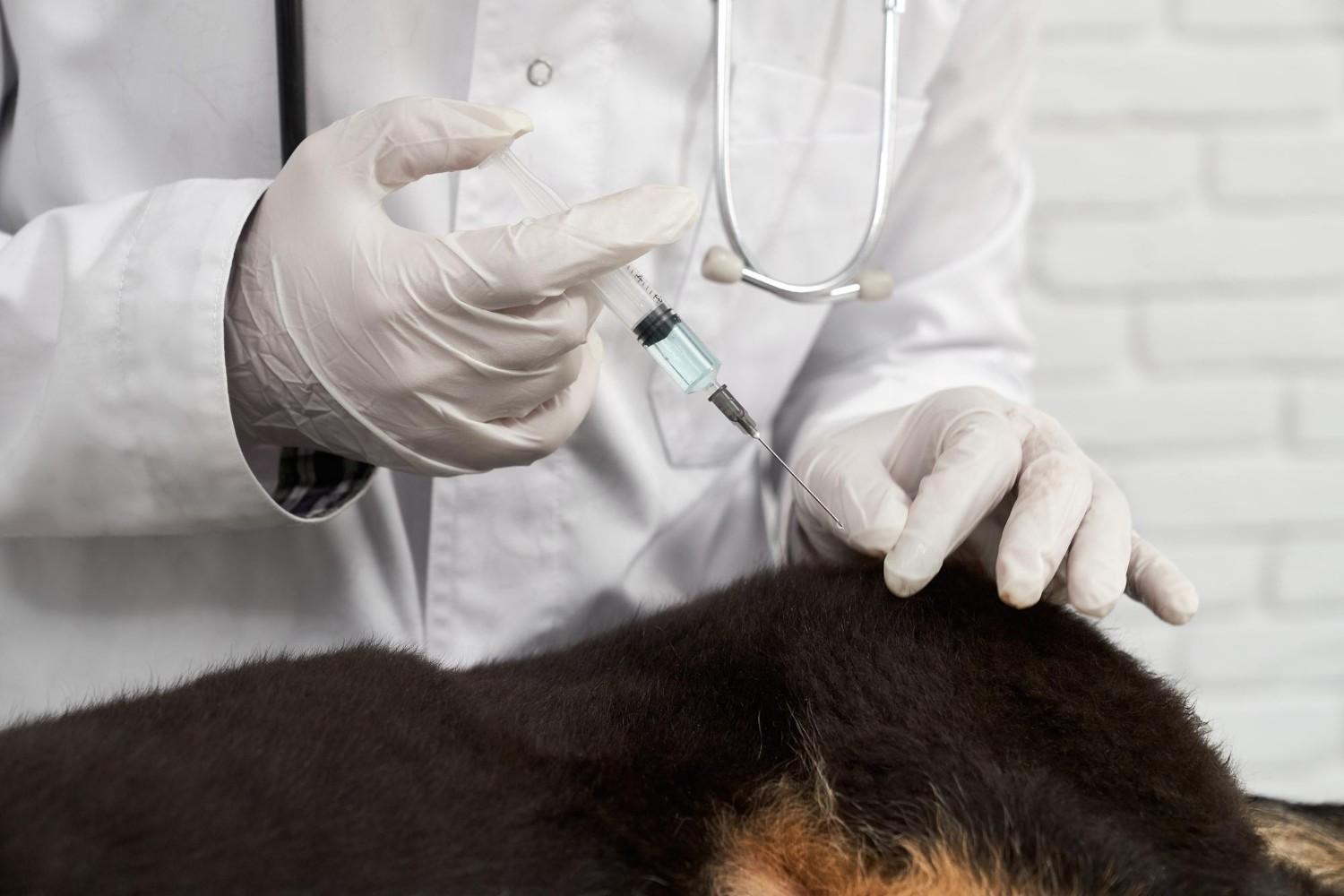
The Lyme vaccine trains your dog’s immune system to fight off Borrelia burgdorferi, the corkscrew-shaped bacteria that causes Lyme disease. Dogs pick up this bacteria through the bite of an infected black-legged tick, commonly known as the deer tick.
Here’s the smart bit: most canine Lyme vaccines work on two levels. They produce antibodies that attack bacteria within the tick itself before it ever makes it into your dog’s bloodstream, and also antibodies that neutralize any bacteria that do get through. It’s like having a security guard at the door and a backup alarm system in the house.
Several licensed vaccines are available in North America, including:
- Nobivac Lyme (Merck) – targets bacteria in both the tick and the dog
- Vanguard crLyme (Zoetis) – a recombinant formula with an extended duration of immunity
- Recombitek Lyme (Boehringer Ingelheim)
- TruCan Ultra Lyme-L4 (Elanco) – a newer combination shot that covers Lyme and leptospirosis in one low-volume injection, designed to reduce the number of pokes at the vet’s office
Expert Tip

No two Lyme vaccines work identically. Some target only the OspA protein, while others target both OspA and OspC, which may offer broader protection. Ask your vet which formulation they use and why.
Does Your Dog Actually Need the Lyme Vaccine?
This is where things get genuinely debated in veterinary medicine, and it’s not just internet noise. Even the official consensus statement from the American College of Veterinary Internal Medicine (ACVIM) has never reached unanimous agreement on universal vaccination.
That said, the decision usually comes down to your dog’s real-world tick exposure.
When Vaccination Makes Sense
- You live in or travel to a Lyme-endemic region (Northeast, Upper Midwest, and Pacific Coast of the U.S. are hotspots)
- Your dog hikes, hunts, or spends time in wooded or grassy areas
- Your dog has previously been bitten by ticks
- You struggle with consistent monthly tick preventive use
When It’s Reasonable to Skip It
- Your dog lives in a low-tick-exposure urban environment
- You’re reliably using a year-round oral or topical tick preventive
Your vet’s regional data shows minimal Lyme prevalence
Did You Know?

Only around 5–10% of dogs that test positive for Lyme exposure actually develop clinical symptoms. Most fight off the infection silently, but that doesn't mean the bacteria are harmless, since they can occasionally cause serious kidney complications.
Lyme Vaccine Side Effects: What’s Normal vs. What’s Not
Like any vaccine, the Lyme shot can cause mild, short-lived reactions. Most dogs handle it just fine.
Common, mild side effects (24–48 hours):
- Soreness at the injection site
- Mild lethargy
- Slight decrease in appetite
- Low-grade fever
Rare but serious reactions (seek vet care immediately):
- Facial swelling or hives
- Vomiting or diarrhea
- Difficulty breathing
- Collapse or severe lethargy lasting more than a day
Severe allergic reactions are uncommon, but they’re the reason most vets ask you to stick around the clinic for 15–20 minutes after any vaccination.
Lyme Vaccine Cost and Schedule for Dogs
Budgeting counts. Here’s what to expect.
First series: Two doses, 2-4 weeks apart. Booster: Annually thereafter (some newer formulations claim a longer duration of immunity). Average cost: $25-$65 per dose, depending on where you live and the clinic you go to, plus the usual office-visit fee.
Puppies are generally eligible at about 9 weeks of age, but your vet may adjust timing to take into account the local tick season and your puppy’s overall vaccine schedule.
Expert Insight

The Lyme vaccine is considered a "non-core" vaccine, meaning it's recommended based on lifestyle and geographic risk, not required for every dog the way rabies or distemper vaccines are.
Vaccine vs. Tick Prevention: You Need Both, Not Either/Or
Here’s a mistake many pet owners make: assuming the vaccine replaces tick preventives. It doesn’t, and this is one of the most important things to understand.
The Lyme vaccine only protects against Borrelia burgdorferi. It does nothing for anaplasmosis, ehrlichiosis, or Rocky Mountain spotted fever, all of which the same ticks can transmit in a single bite.
Think of it this way: the vaccine is your dog’s seatbelt, but the tick preventive is the airbag, brakes, and defensive driving combined. You genuinely need the full system.
A complete tick prevention program includes:
- Year-round oral or topical tick prevention (not just “tick season”)
- Check your body daily for ticks, especially in your ears, armpits, and between your toes.
- Annual bloodwork through your vet to catch exposure early (4DX)
- Mowing, leaf litter removal, or other yard maintenance to reduce tick habitat
Key Takeaways
Not the Lyme vaccine for dogs. You don’t make a blanket decision on that; it’s a risk-based conversation between you and your vet. It’s a smart layer of protection if your dog spends real time in tick territory. If not, regular tick prevention might be sufficient.
Either way, don’t skip the basics: monthly preventives, tick checks, and annual bloodwork protect your dog regardless of which way you land on the vaccine question. Got a dog who loves the outdoors? Talk to your vet about their specific risk level, and share this guide with fellow pet owners who are on the fence.
FAQs
It depends entirely on your dog’s exposure risk. Dogs in tick-heavy, wooded, or Lyme-endemic areas benefit significantly. Dogs with minimal outdoor exposure on consistent preventives may not need it at all. This is a conversation to have directly with your vet.
Studies show licensed Lyme vaccines provide strong protection against infection when combined with regular tick prevention, though no vaccine offers 100% protection on its own.
Yes, though it’s less likely. No vaccine offers complete immunity, which is exactly why layering the vaccine with tick preventives matters so much.
Watch for lameness that shifts between legs, swollen joints, fever, lethargy, and reduced appetite. Symptoms can appear weeks to months after a tick bite, so don’t rule it out just because the bite happened a while ago.
Generally, yes, but your vet will factor in your dog’s overall health, existing conditions, and vaccine history before recommending it, especially for senior dogs with underlying issues.