
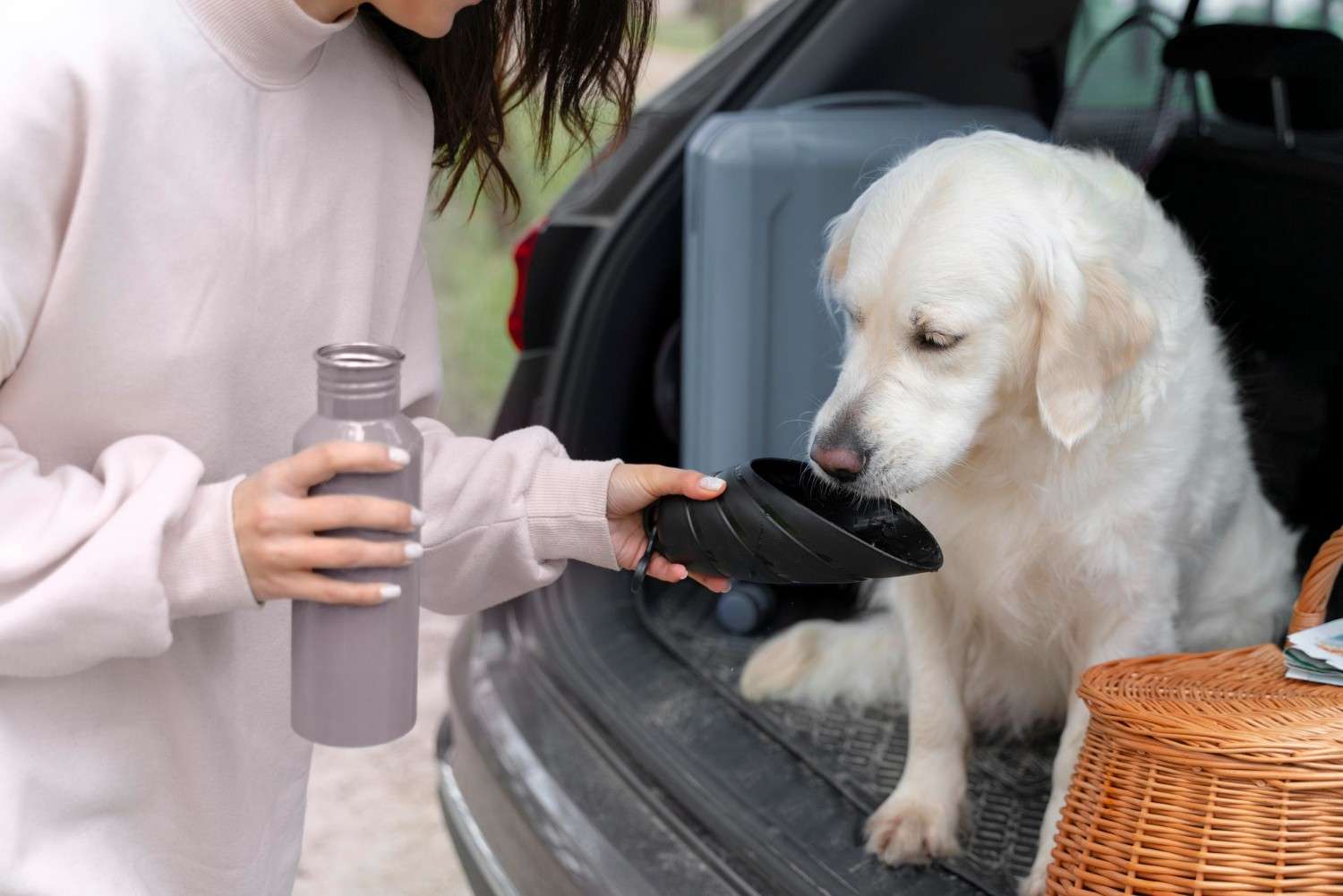
Your dog’s gut is home to trillions of bacteria, and most of them are working overtime to keep him healthy. If his tummy has been off lately (gas, loose stools, or that weird grass-eating habit), the fix might not be a prescription. It might be as simple as food.
Gut health is no longer a buzzword just for humans. Veterinarians and researchers now agree that a dog’s digestive system does far more than simply break down kibble. It influences immunity, mood, skin health and even the efficiency of nutrient absorption. And one of the easiest and safest ways to give it a boost is with natural probiotics for dogs.
In this guide, you’ll learn what natural probiotics actually are, which foods and supplements deliver them, how to spot the signs your dog needs them, and how to add them to his diet without any guesswork. Whether you’re a first-time pet owner or a vet-med student brushing up on canine gut health, this one’s for you.
Table of Contents
What Are Natural Probiotics for Dogs, Exactly?
Probiotics are live, beneficial bacteria that colonize your dog’s gut and crowd out the harmful stuff. Think of them as reinforcements arriving to keep the peace in a busy city; without them, the “bad guys” (pathogenic bacteria, yeast, and inflammation-causing microbes) can take over.
Natural probiotics come from whole foods rather than lab-manufactured capsules. That means fermented vegetables, raw goat’s milk, and certain fruits, not just a pill from the pharmacy aisle.
Here’s why that distinction matters: whole-food probiotics often arrive bundled with prebiotics (the fiber that feeds good bacteria) and enzymes that help everything work together, the way a balanced meal works better than an isolated vitamin.
Expert Tip

Not all bacteria are created equal. Look for strains like Lactobacillus acidophilus, Bifidobacterium animalis, and Enterococcus faecium; these are the ones with the most research behind them for canine gut health.
Why Does Dog Gut Health Matter So Much?
Roughly 70% of your dog’s immune system lives in his gut lining. That’s not a typo; it’s one of the most cited stats in veterinary immunology, and it explains why digestive issues so often show up as skin problems, allergies, or low energy.
Your dog’s gut microbiome should be:
- More effective food breakdown
- Assimilating nutrients such as B vitamins and short-chain fatty acids
- Fight opportunistic pathogens
- Control inflammation throughout the body
- Support healthy skin and coat
When that balance tips from stress, antibiotics, a diet change, or aging, you get dysbiosis. And dysbiosis is uncomfortable for everyone involved, especially the one who has to clean it up.
Signs Your Dog Needs Probiotics
Not every dog needs a probiotic boost, but some signs are hard to ignore. Watch out for:
- The most obvious red flag is loose or irregular stools
- Gas or excessive bloating
- halitosis that doesn’t improve with brushing
- Frequent skin irritation or itching
- Low energy or dullness after meals
- Recent antibiotic use (which wipes out good bacteria along with the bad)
If your dog checks two or more of these boxes, it’s worth having a conversation with your vet about adding natural probiotics to his routine.
Best Natural Probiotic Foods for Dogs
You don’t need a fancy supplement aisle to get started. Several everyday foods are naturally rich in probiotics as long as they’re introduced correctly.
1. Plain, Unsweetened Yogurt
Yogurt with live active cultures is one of the most accessible probiotic foods for dogs. Stick to plain, unsweetened varieties, no xylitol, no added sugar. A spoonful mixed into food a few times a week is plenty for most dogs.
2. Kefir
Kefir is essentially yogurt’s more powerful cousin. It typically contains a wider range of bacterial strains and yeasts, making it one of the most potent natural sources of probiotics you can offer. Start small; kefir is strong stuff for a sensitive stomach.
3. Fermented Vegetables
Plain sauerkraut or fermented pumpkin (unsalted, unspiced) can introduce beneficial bacteria along with fiber. Avoid anything with garlic, onion, or heavy seasoning those are toxic to dogs.
4. Beef Bone Broth
Bone broth is not a probiotic, but it is a gut-soother and is often used in conjunction with probiotic foods to soothe inflammation and support the gut lining, particularly after a bout of diarrhea.
5. Goat Milk
Goat’s milk, raw or pasteurized, has natural enzymes and probiotic strains that many dogs digest better than cow’s milk. It is a gentle option for dogs recovering from antibiotics.
Did you Know?

A dog's gut microbiome can shift within just 24–48 hours of a diet change. That's why sudden food swaps often cause tummy trouble; the bacteria simply haven't caught up yet.
How to Choose the Best Probiotics for Dogs (Supplements vs. Food)
If your dog needs more consistent support than food alone can provide, a quality supplement can help fill the void. When you shop, look for:
- Colony forming units (CFU), ideally in the billions, not millions
- Not just one strain, but several.
- third-party testing for purity and potency
- No artificial fillers, sugar or flavor
- Storage stability – some strains require refrigeration for survival
Whole-food sources and supplements are not mutually exclusive. Many owners alternate between the two, using food for daily maintenance and supplements during high-stress periods such as travel and vet visits or during diet transitions.
How to Introduce Probiotics Safely
Even good bacteria can make for a rough start if introduced too quickly. Just follow this simple approach:
- Begin with 1/4 of the recommended amount for 3–4 days
- Look for gas, softer stools or changes in appetite
- Gradually increase to the full amount over one to two weeks
- Always pair with fresh water, since fiber and bacteria both rely on hydration to work properly
If symptoms worsen instead of improving, pause and check in with your vet. Every dog’s baseline is different.
Are There Any Risks?
Natural probiotics are generally safe, but there are a few things to keep in mind:
- Probiotics should only be given to dogs with a weakened immune system under the direction of a veterinarian.
- Introduce one new food at a time to help identify any reactions.
- Do not give your dog human probiotic supplements unless you have checked with your vet that the strains are safe for dogs.
- Avoid anything with xylitol, chocolate, garlic or onion found in most human products that are flavored.
Final Thoughts
Your dog’s gut is the command center for so much more than digestion; it’s linked to immunity, energy and even skin health. The good news? You don’t need any exotic stuff to back it up. When you introduce natural probiotics for dogs without any thought or consistency, whether it’s a spoonful of plain yogurt or a carefully selected supplement, it can make a real difference.
Start small, watch how your dog responds, and loop in your vet if anything seems off. A happier gut usually means a happier, more energetic dog and really, isn’t that the whole point?
Found this helpful? Share it with a fellow dog owner, or explore more of our canine health guides to keep your pup thriving from the inside out.
FAQs
Yes, most dogs tolerate daily natural probiotics well, whether through food or supplements. Consistency is actually what makes them effective, since gut bacteria need steady reinforcement to stay balanced.
Most owners notice firmer stools and less gas within 1–2 weeks. Full microbiome rebalancing, especially after antibiotics, can take 4–6 weeks.
Plain kefir or a vet-recommended multi-strain supplement tends to work fastest, often paired with bland foods like boiled chicken and rice during recovery.
Yes, but dosages should be smaller and introduced gradually. Always check with your vet before starting a puppy on any new supplement or fermented food.
Since a large portion of the immune system is gut-based, a balanced microbiome can reduce inflammatory responses tied to environmental and food allergies, though it’s rarely a standalone fix.